
Customised Training Programmes
Tailor-made training to match your organisation’s unique goals and challenges.

Flexible Learning Options
Choose from a variety of flexible learning formats to fit your schedule and preferences.

Interactive Learning Experience
Engage in dynamic and interactive learning that fosters active participation and knowledge retention.
Comprehensive Training Solutions for Global Success
-
1Diverse and Industry-Relevant Course Offerings
-
2Flexible and Accessible Learning Options
-
3Global Presence with Over 50 Training Centres
-
4Accredited Qualifications and Recognised Certifications
-
5Over 15 Years of Expertise and Industry Leadership
-
6Networking and Collaboration Opportunities
-
7Customised Corporate Training Solutions
-
8Access to Innovation and Global Trends
About Us
Holistique Training
is globally renowned for delivering professional learning programmes tailored to the needs of companies and organisations across the world. With over 15 years of expertise, we are dedicated to addressing the unique and evolving training requirements of our clients, ensuring exceptional learning experiences, measurable outcomes, and effective support for organisational transformation. As pioneers in the field of training and professional development, we pride ourselves on offering diverse and industry-relevant courses, flexible learning solutions, and globally recognised qualifications. Our extensive network of over 50 training centres worldwide provides convenient access to high-quality, standardised programmes, supported by a culturally diverse and collaborative learning environment. Our team of experienced industry specialists, with vast expertise across various sectors, is committed to helping you unlock your full potential, enhance performance, and stay ahead of global trends. At Holistique Training, we empower individuals and organisations to achieve their goals and drive long-term success.
Use the search tool or the interactive map below to browse our courses
Categories
Our Top Categories








Trusted By Professionals Worldwide


ammar bathich
4 months ago
★ ★ ★ ★ ★
Holistique Training has been a leader in training and professional development since 2008....
Google Review
Darrell Bennett
2 months ago
★ ★ ★ ★ ★
Absolutely love what Holistique is doing by offering high-value seminars to top executives...
Google Review
James Shackleton
2 months ago
★ ★ ★ ★ ★
Thankyou for your work. Very professional. I will make sure to highly recommend you to oth...
Google Review


Urszula Daniszewska
in the last week
★ ★ ★ ★ ★
I recently participated in a stakeholder management course, And I thoroughly enjoyed it. T...
Google Review
Esraa Osama
in the last week
★ ★ ★ ★ ★
Very professional in dealing with both the instructors and students, everything was will a...
Google Review
Khaoula
in the last week
★ ★ ★ ★ ★
Great organisation,they do their best to make client satisfied, courses are tailored to c...
Google Review
M
Mr Card
7 months ago
★ ★ ★ ★ ★
Very Professional. Amazing content and delivered by the best qualified trainers
TrustPilot
H
Hamed Salim Khamis Al Hattali
4 months ago
★ ★ ★ ★
Excellent training and objective and it was delivered in an excellent concise manner and e...
TrustPilot
D
Darrell Bennett
8 months ago
★ ★ ★ ★ ★
The owner of this organization is amazing and I always enjoy working with him to provide w...
TrustPilot
C
customer
9 months ago
★ ★ ★ ★
The stakeholder management course was amazing, I have learnt so much during these 4 days....
TrustPilot
H
Houda Fansa
10 months ago
★ ★ ★ ★ ★
Holistique Training has been a game-changer for my professional development. The Knowledge...
TrustPilot
I
Idris Yousuf Yahya Al Shuaili
11 months ago
★ ★ ★ ★
It was a good training to increase our SIMOPS awareness and ensure that implemented at wor...
TrustPilot20% Offer Running - Join Today
Take advantage of our exclusive 20% discount and kickstart your learning journey today! Our courses are designed to empower you with practical skills and knowledge. Don’t miss this opportunity to invest in yourself and your future. How to Qualify for the Discount: Register two participants from the same course, scheduled at the same time and location, OR Pay two months in advance for the course. Act now, as this offer is only available for a limited time!
Who hired our graduates
















Frequently Asked Questions
Once your registration is received, an invoice will be emailed to you. Payment is required in advance via bank transfer (BACs) to one of our UK accounts. For card payments, we will send a secure payment link.
Invoices will be emailed to the address provided during registration.
Course fees cover instruction, training materials, refreshments, and a certificate of completion.
Transportation, accommodation, visa fees, and parking are not included.
Yes, VAT is included.
Certainly. If booking online, simply add the PO number during the checkout process. For phone or email bookings, please provide the PO number, and we’ll include it in the invoice.
Instructor
Meet Our Experts







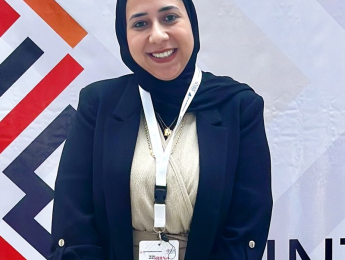


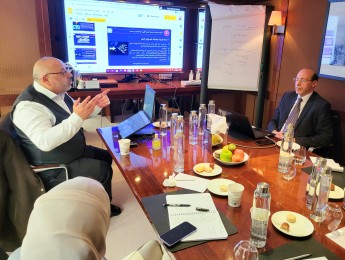
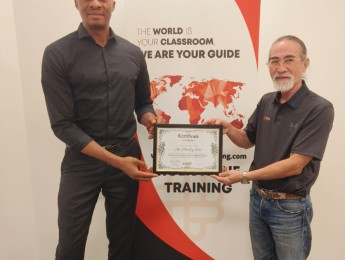
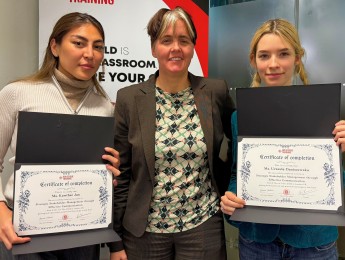
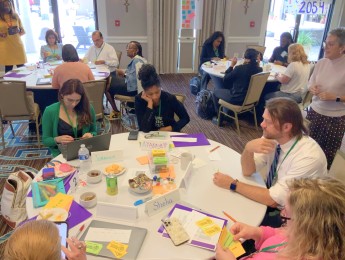
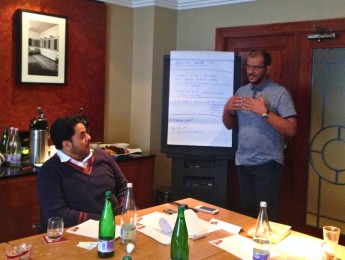
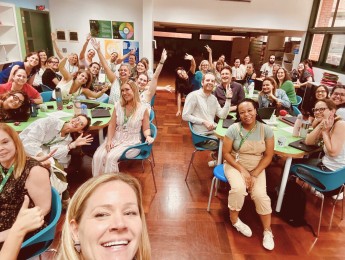
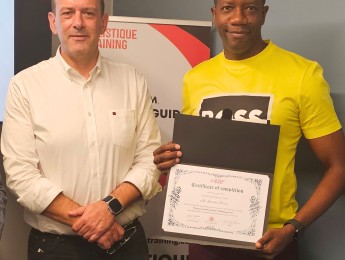
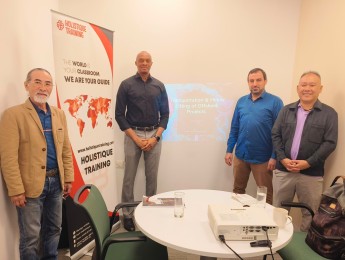
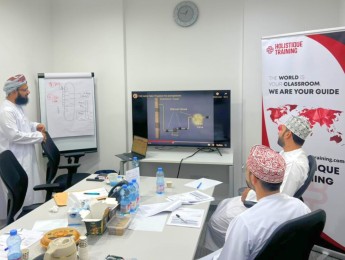
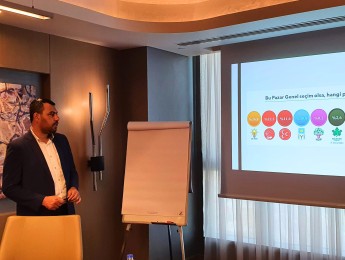
Snapshots of Learning in Action
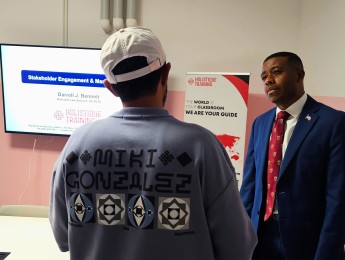
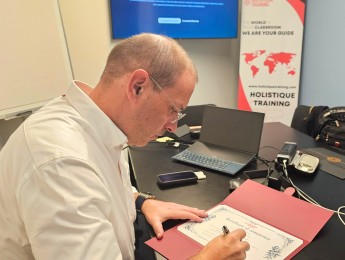
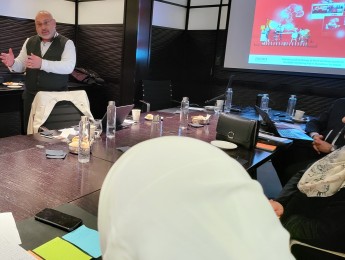
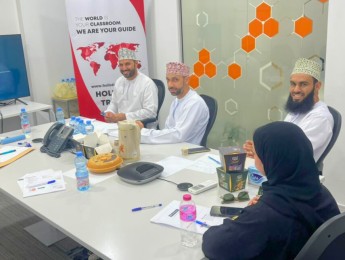

Latest Updates
Latest Blogs & Articles