
- Table of Contents
- Introduction
- The Science Behind Stress and Mental Fatigue
- How Does Breathing Regulate the Nervous System?
- Shallow Breathing and Its Hidden Effects
- Master Effective Breathing Techniques
- Breathing Exercises Improve Focus and Reduce Stress
- Breathing Exercises in Daily Routines
- Simple Breathing Exercises You Can Try Today
- Give Your Brain A Break, Too
- Breathing and Emotional Regulation
- Breathing, Awareness, and Stronger Workplace Relationships
- Breathing for Better Sleep and Recovery
- Breathing Exercises Improve Focus and Reduce Stress - So Make Sure To Do Them!
Introduction
Modern routines pull attention in several directions at once. Notifications, deadlines, and social pressure interfere with clarity and calm. People often search for simple, science-backed tools that keep the mind focused and the body balanced. Some professionals explore professional learning programs to manage workload more comfortably, but many overlook the power of intentional breathing. Slowing the breath and directing air deeper in the body can reset stress levels in minutes. This article explores how breathing exercises improve focus and reduce stress, teaching you how to integrate mindful breathing into everyday life.
The Science Behind Stress and Mental Fatigue
When the brain senses a threat, the sympathetic nervous system activates. The heart beats faster and muscles tighten, preparing the body for action. This primal response is useful during emergencies but harmful when triggered by emails or deadlines. Elevated cortisol makes concentration more difficult, and it becomes harder to organize thoughts. Over time, this cycle weakens confidence and problem-solving skills.

How Does Breathing Regulate the Nervous System?
Controlled breathing activates the parasympathetic nervous system, which counterbalances stress. Slow and steady inhales combined with longer exhales send signals of safety to the brain. The heart rate drops, muscles loosen, and mental fog lifts. This process helps the mind return to tasks with a calmer perspective. With practice, you can switch from stress to focus more easily, which is a major reason breathing exercises improve focus and reduce stress.
Shallow Breathing and Its Hidden Effects
When people feel rushed, they take shallow breaths from the upper chest. This restricts oxygen flow and increases tension in the shoulders and neck. Over time, it becomes a habit that limits relaxation even when things are quiet. Many do not notice this pattern until headaches or fatigue appear. Training in deeper breathing restores clarity and supports emotional balance.
Master Effective Breathing Techniques
Shallow breathing often comes from stress, anxiety, and poor posture. Learning to breathe properly is not complicated, but it requires awareness. A key method involves using your diaphragm while breathing, which encourages air to fill the lower lungs and expand the belly gently. This approach improves oxygenation, supports posture, and reduces unnecessary muscle tension. Diaphragmatic breathing also lowers the heart rate and allows the mind to settle. Practicing this regularly can sharpen focus, lift energy, and improve long-term well-being.
Breathing Exercises Improve Focus and Reduce Stress
Oxygen is fuel for the brain. When more oxygen reaches brain cells, thinking becomes clearer, and decisions feel easier. Various breathing rhythms can influence brain regions tied to emotional state, focus, and physical awareness. Practicing mindful breathing helps create consistent mental discipline. If done regularly, stress hormones decrease more quickly after interruptions. This is another reason why breathing exercises improve focus and reduce stress for students, remote workers, and leaders alike.
Breathing Exercises in Daily Routines
Breathing does not require special equipment or long sessions. You can practice slow inhales and longer exhales while commuting, waiting for a meeting to start, or preparing a task list. These tiny breaks create a sense of internal space, preventing burnout. Routine breathing sessions help form healthier response patterns to pressure. The body learns that it does not need to panic when responsibilities stack up.
Simple Breathing Exercises You Can Try Today
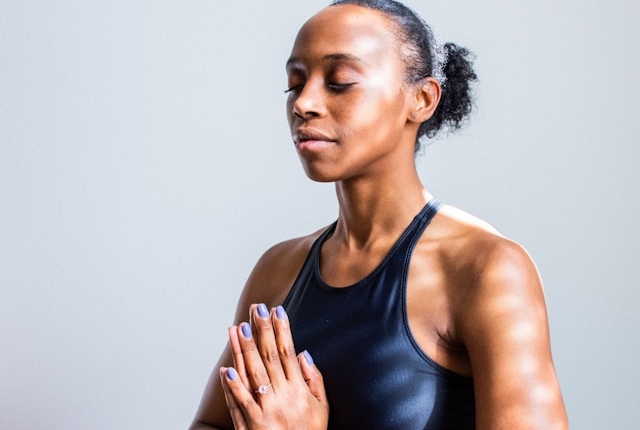
Before practicing any technique, find a comfortable position and relax your shoulders. These exercises take only a few minutes and offer benefits whether you are stressed, tired, or need sharper focus. Consistency matters more than intensity, so aim for short sessions during the day.
- Box Breathing: Inhale for four seconds, hold for four, exhale for four, and pause again for four. This method helps restore calm when emotions rise quickly.
- 4-7-8 Breathing: Breathe in through the nose for four seconds, hold for seven seconds, and exhale slowly for eight seconds. This pattern encourages deeper relaxation and helps quiet racing thoughts.
- Resonant Breathing: Inhale for five seconds and exhale for five seconds, maintaining a steady rhythm. This supports a balanced nervous system and improved concentration.
- Alternate Nostril Breathing: Close one nostril, inhale, then switch sides during the exhale. This technique can ease tension and promote clearer thinking.
Practicing these exercises regularly can support better self-control, deepen awareness, and build resilience. Use them during transitions between tasks, or after stressful conversations, to reset your attention and return to work with sharper focus.
Give Your Brain A Break, Too
In many work environments, people pressure themselves to remain busy every minute. This mindset often leads to toxic productivity, which blocks rest even when the body begs for it. Constant urgency harms creativity, patience, and performance. Breathing exercises interrupt the cycle by slowing thoughts and softening anxiety. When you breathe with intention, you can sense the real priorities instead of reacting automatically. This shift protects mental health and improves the quality of decisions.
Breathing and Emotional Regulation
Slow breathing increases awareness of emotional triggers. When stress rises, inhaling deeply and exhaling twice as long signals the brain that everything is manageable. Practicing this regularly improves control over reactions, helping conversations stay respectful and thoughtful. With better emotional management, focus becomes stronger because attention does not bounce between frustrations.
Breathing, Awareness, and Stronger Workplace Relationships
Work environments often challenge patience, communication, and confidence. When stress builds, emotional reactions can cloud judgment and complicate team interactions. Breathing practices help slow internal responses, allowing you to speak thoughtfully and listen more fully. This directly supports the role of emotional intelligence in business success, where staying aware of feelings and maintaining balance affects performance. By managing tension through calm breathing, you can navigate disagreements with clarity, respond instead of react, and show empathy in difficult conversations — qualities that strengthen professional relationships.

As a leader, understanding and utilising emotional intelligence and mastering effective communication styles are essential skills to get the most out of your team. It’s important that your direct reports find you approachable and relatable, meaning they feel confident raising issues and suggesting ideas to
Breathing for Better Sleep and Recovery
Practicing breathing before bed helps the body relax for deeper rest. Slow diaphragmatic breaths relax the muscles around the ribcage and abdomen, helping the brain shift away from repetitive thoughts. Better sleep improves memory, attention, and problem-solving skills. When the body recovers fully at night, daytime stress becomes easier to handle. Rested brains resist distraction more effectively, which is another reason breathing exercises improve focus and reduce stress throughout the week.

Breathing Exercises Improve Focus and Reduce Stress - So Make Sure To Do Them!
Breathing influences focus, mood, and resilience more than many people realize. With simple practice, you can improve mental clarity, calm the nervous system, and prevent emotional overload. This is exactly why breathing exercises improve focus and reduce stress in both personal and professional environments. Begin with small sessions, stay consistent, and notice how each breath shapes a clearer and calmer outlook on daily challenges.