

- Table of Contents
- Introduction
- What is a Career Development Path?
- Key Components of a Career Development Path
- The Dynamic Nature of Career Development Paths
- Why is a Career Development Plan Important?
- Clarity and Direction
- Increased Motivation
- Skill Development
- Career Advancement
- Networking Opportunities
- Adaptability in a Changing Job Market
- Enhanced Job Satisfaction
- Increased Self-Confidence
- How to Create an Effective Learning Path for Career Growth
- 1. Evaluate Your Current Position
- 2. Identify Required Certifications and Qualifications
- 3. Seek Internships and Practical Experience
- 4. Networking
- 5. Embrace E-Learning
- 6. Set Milestones and Track Progress
- Finding Support for Your Career Development Plan
- 1. Managers
- 2. Mentors
- 3. Professional Networks
- 4. Peers
- 5-Year Career Development Plan Template
- Personal Information
- Year 1: Foundations
- Year 2: Growth
- Year 3: Expansion
- Year 4: Leadership
- Year 5: Mastery and Reflection
- Overall Reflection
- Conclusion
Introduction
Career development is a journey that many embark on, yet few navigate with a clear map. A career development plan serves as that essential roadmap, guiding individuals through the complexities of professional growth and helping them achieve their long-term goals. This blog post will delve into the concept of a career development path, explore its significance, provide insights on creating an effective learning path, discuss the importance of finding support, and offer a practical 10-year career development plan template.
What is a Career Development Path?
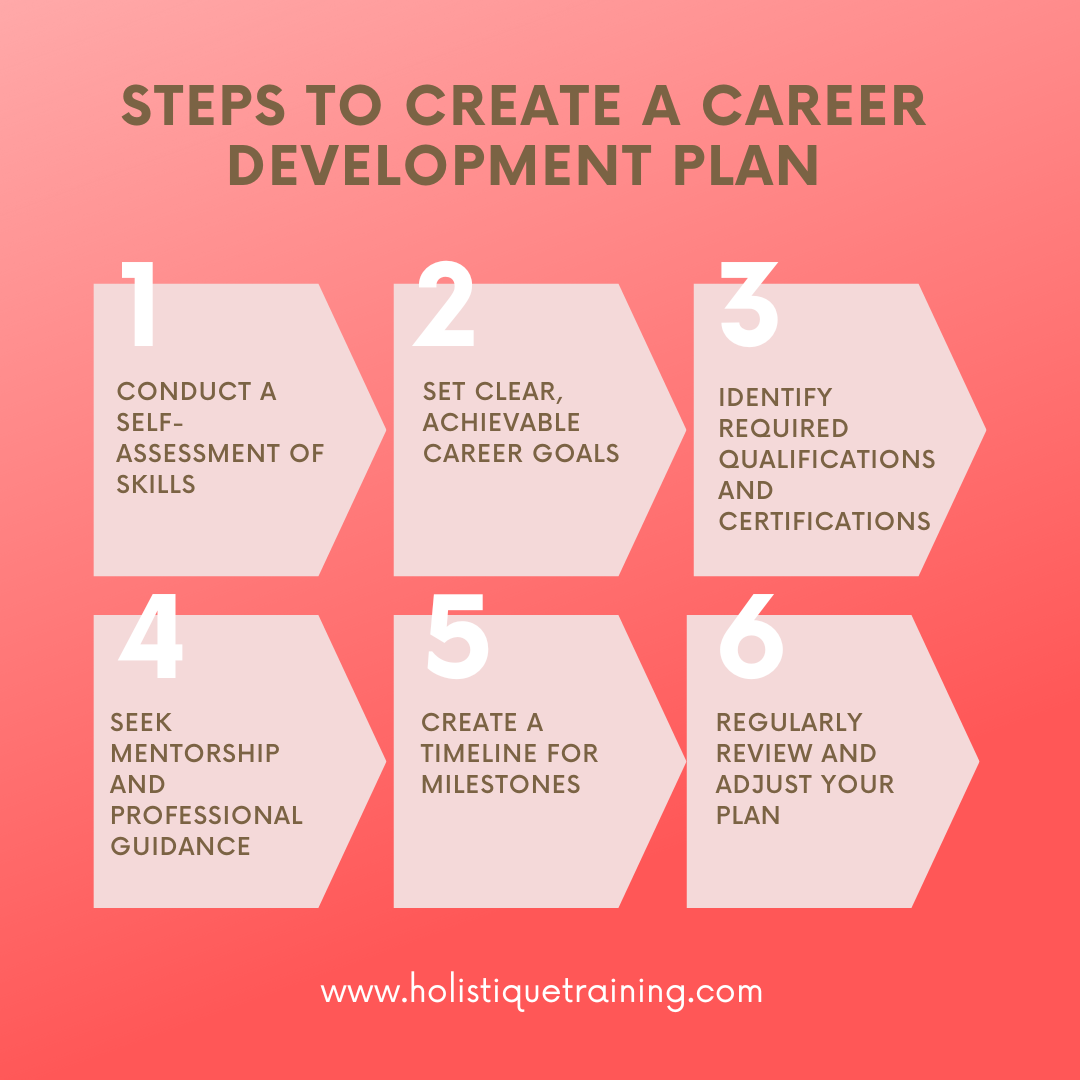
A career development path is a structured framework that outlines the progression of an individual's career over time, encompassing the skills, experiences, and educational milestones necessary to achieve professional goals. This path is not merely a linear trajectory; rather, it is a dynamic and evolving journey that adapts to personal aspirations, industry trends, and organizational needs.
Key Components of a Career Development Path
1- Self-Assessment:
The foundation of any career development path lies in understanding oneself. This involves a comprehensive self-assessment to identify strengths, weaknesses, interests, and values. Tools such as personality assessments (e.g., Myers-Briggs Type Indicator) and skills inventories can provide valuable insights. By reflecting on past experiences and evaluating current skills, individuals can gain clarity on their career aspirations and the direction they wish to pursue.
2- Goal Setting:
Once self-assessment is complete, the next step is to set clear and achievable goals. These goals can be categorized into short-term (e.g., mastering a specific software program) and long-term (e.g., becoming a department head). Setting SMART goals—Specific, Measurable, Achievable, Relevant, and Time-bound—ensures that objectives are well-defined and attainable. This structured approach not only provides direction but also helps maintain motivation throughout the journey.
3- Skill Development:
A career development path emphasizes the importance of continuous learning and skill enhancement. Identifying the skills required to achieve career goals is crucial. This may involve pursuing formal education, obtaining certifications, or engaging in self-directed learning. For instance, a software developer may need to learn new programming languages or frameworks to stay relevant in a rapidly evolving tech landscape.
4- Experience Acquisition:
Gaining practical experience is a vital aspect of career development. This can be achieved through various means, such as internships, volunteer work, or project involvement. Real-world experience allows individuals to apply theoretical knowledge, develop new skills, and build a professional portfolio. Additionally, hands-on experience can help clarify career interests and inform future decisions.
5- Networking:
Building a robust professional network is essential for career advancement. Networking involves establishing and nurturing relationships with colleagues, mentors, industry professionals, and peers. These connections can provide valuable insights, job referrals, and opportunities for collaboration. Engaging with professional organizations and attending industry events can facilitate networking efforts and expand one’s circle of influence.
6- Creating a Timeline:
Establishing a timeline for achieving career goals adds structure to the development path. By breaking down long-term objectives into smaller, manageable milestones, individuals can track their progress and celebrate achievements along the way. A timeline also helps maintain focus and accountability, ensuring that individuals remain committed to their career aspirations.
7- Regular Review and Adjustment:
A career development path is not static; it requires ongoing evaluation and adjustment. Regularly reviewing progress allows individuals to assess whether they are on track to meet their goals. It also provides an opportunity to reflect on any changes in interests, industry dynamics, or personal circumstances. Being open to recalibrating goals and adapting the development path as needed is crucial for long-term success.
The Dynamic Nature of Career Development Paths
Career development paths can vary significantly based on individual circumstances, industry standards, and organizational structures. Some individuals may follow a traditional upward trajectory within a single organization, while others may navigate lateral moves across different industries to gain diverse experiences. Moreover, the rise of remote work and gig economy roles has further diversified career paths, allowing for more flexibility and non-linear progression.
Ultimately, a career development path is a personalized journey that reflects an individual’s unique aspirations, values, and circumstances. It serves as a guiding framework, empowering individuals to take proactive steps toward achieving their career goals while remaining adaptable to the ever-changing landscape of the professional world.
Why is a Career Development Plan Important?
A career development plan is not just a formal document; it is a crucial tool that shapes an individual's professional journey. The importance of having a well-defined career development plan cannot be overstated, as it provides numerous benefits that contribute to both personal satisfaction and professional success. Here are several key reasons why a career development plan is essential:
Clarity and Direction
A career development plan provides clarity about your career aspirations and the steps needed to achieve them. It acts as a roadmap, helping you navigate your professional journey with purpose. By outlining specific goals and the necessary actions to reach them, you gain a clearer understanding of what you want to accomplish. This clarity reduces ambiguity and anxiety about the future, allowing you to focus your efforts on meaningful objectives.
Increased Motivation
Having a structured plan fosters motivation and commitment. When you set clear, achievable goals, you create a sense of purpose that drives you forward. The satisfaction of reaching milestones—whether it’s completing a course, earning a certification, or achieving a promotion—reinforces your dedication to your career development. This intrinsic motivation can lead to higher levels of engagement and enthusiasm in your work, ultimately enhancing job satisfaction.
Skill Development
A career development plan emphasizes the importance of continuous learning and skill enhancement. In today’s fast-paced job market, staying relevant requires ongoing education and adaptation. By identifying the skills necessary for your career goals, you can proactively seek out training, workshops, and certifications that align with your aspirations. This commitment to skill development not only enhances your employability but also positions you as a valuable asset to your organization.
Career Advancement
Employers highly value employees who take initiative in their career development. A proactive approach to growth demonstrates ambition and a willingness to invest in your future. By actively pursuing your career development plan, you increase your chances of being considered for promotions, leadership roles, and new opportunities within your organization. Additionally, a well-defined plan can set you apart from other candidates when applying for jobs, showcasing your commitment to professional growth.
Networking Opportunities
A career development plan encourages you to engage with various professionals and expand your network. Networking is a critical component of career advancement, as it opens doors to mentorship, collaborations, and job opportunities. By participating in industry events, joining professional organizations, and connecting with peers, you can build relationships that provide valuable insights and support throughout your career journey. A strong network can also lead to referrals and recommendations that enhance your job prospects.
Adaptability in a Changing Job Market
The job market is constantly evolving due to technological advancements, economic shifts, and changing industry demands. A career development plan allows you to remain adaptable and responsive to these changes. By regularly reviewing and adjusting your goals and strategies, you can pivot your career direction if necessary. This flexibility ensures that you remain competitive and relevant in your field, allowing you to seize new opportunities as they arise.
Enhanced Job Satisfaction
A well-structured career development plan contributes to overall job satisfaction. When you have a clear path for growth and development, you are more likely to feel fulfilled in your work. Achieving your goals and continuously improving your skills can lead to a greater sense of accomplishment and purpose. Additionally, knowing that you are actively investing in your future can reduce feelings of stagnation and dissatisfaction, fostering a more positive work environment.
Increased Self-Confidence
As you progress along your career development path and achieve your goals, your self-confidence naturally increases. Each accomplishment reinforces your belief in your abilities and potential. This newfound confidence can enhance your performance at work, improve your decision-making skills, and empower you to take on new challenges. Ultimately, increased self-confidence can lead to greater success and fulfillment in your career.
In summary, a career development plan is a vital instrument for anyone seeking to navigate their professional journey effectively. It provides clarity, motivation, and direction while fostering continuous learning and adaptability. By investing time and effort into creating and following a career development plan, individuals can enhance their skills, advance their careers, and ultimately achieve greater job satisfaction and success. Embracing this proactive approach to career development not only benefits individuals but also contributes to the overall growth and success of organizations in an ever-changing job market.
How to Create an Effective Learning Path for Career Growth
Creating an effective learning path is a crucial step in your career development plan. It involves identifying the skills and knowledge needed to advance in your career and strategically planning how to acquire them. Here’s a detailed guide to help you navigate this process and ensure that your learning path aligns with your career goals.
1. Evaluate Your Current Position
The first step in creating an effective learning path is conducting a thorough evaluation of your current position. This self-assessment allows you to identify your strengths, weaknesses, and areas for improvement. Consider the following strategies:
- SWOT Analysis: Conduct a SWOT analysis (Strengths, Weaknesses, Opportunities, Threats) to gain insights into your professional standing. This structured approach helps you identify what you do well, where you may need improvement, and external factors that could impact your career.
- Skill Inventory: Create a list of your current skills and competencies. Categorize them into technical skills (specific to your profession) and soft skills (communication, teamwork, problem-solving). This inventory will serve as a baseline for your learning path.
- Feedback from Others: Seek feedback from colleagues, supervisors, or mentors. They can provide valuable insights into your performance and areas where you can improve. Constructive criticism can help you pinpoint specific skills to develop.
2. Identify Required Certifications and Qualifications
Based on your evaluation, research the qualifications and certifications that are relevant to your career goals. Different industries and roles often have specific requirements, so it’s essential to know what is expected. Here are some steps to guide you:
- Industry Research: Investigate your industry to understand the standard qualifications and certifications that are valued by employers. For example, in the IT sector, certifications like CompTIA A+, Cisco Certified Network Associate (CCNA), or AWS Certified Solutions Architect may be crucial.
- Professional Associations: Join professional associations related to your field. These organizations often provide resources, training opportunities, and information about certifications that can enhance your career.
- Online Course Platforms: Explore online learning platforms such as Holistique Training which offer courses that can lead to certifications. Many of these platforms partner with reputable universities and organizations, ensuring the quality of the training.
3. Seek Internships and Practical Experience
Practical experience is invaluable for career growth. Internships, volunteer work, or project involvement provide hands-on learning opportunities that complement theoretical knowledge. Here’s how to leverage these experiences:
- Internship Programs: Actively seek internships in companies or organizations that align with your career goals. Internships allow you to apply what you’ve learned in a real-world setting, gain insights into workplace dynamics, and build your professional network.
- Volunteer Opportunities: Consider volunteering for projects or organizations that relate to your field. This not only enhances your skills but also demonstrates your commitment to your career and your willingness to contribute to the community.
- Project Involvement: If you’re currently employed, seek opportunities to participate in cross-functional projects within your organization. This allows you to collaborate with colleagues from different departments, learn new skills, and expand your professional network.
4. Networking
Building a strong professional network is essential for career growth. Networking can lead to mentorship opportunities, job referrals, and insights into industry trends. Here are some strategies to effectively network:
- Attend Industry Events: Participate in conferences, seminars, and workshops related to your field. These events provide opportunities to meet industry professionals, exchange ideas, and learn from experts.
- Join Professional Organizations: Become a member of professional associations in your industry. These organizations often host networking events, webinars, and workshops that can help you connect with like-minded professionals.
- Leverage Social Media: Utilize platforms like LinkedIn to connect with professionals in your field. Share insights, engage in discussions, and participate in relevant groups to expand your network. Building relationships online can lead to valuable connections and opportunities.
5. Embrace E-Learning
In today’s digital age, e-learning has become a powerful tool for skill enhancement. Online courses offer flexibility and accessibility, allowing you to learn at your own pace. Here’s how to make the most of e-learning:
- Identify Relevant Courses: Based on your career goals, research online courses that align with the skills you want to develop. Look for courses that offer practical, hands-on learning experiences and are taught by industry experts.
- Set Learning Goals: Establish specific learning goals for each course you take. This could include completing assignments, participating in discussions, or applying what you’ve learned in your current role.
- Engage with Peers: Many online courses offer discussion forums or community groups. Engage with your peers to share insights, ask questions, and collaborate on projects. This interaction can enhance your learning experience and help you build connections.

Social media has transformed how people communicate, share, and learn — and education is no exception. When used thoughtfully, platforms like Facebook, Instagram, LinkedIn, YouTube, and others can enhance engagement, foster collaboration, and extend learning beyond the classroom walls.This course equips educators and trainers with the
6. Set Milestones and Track Progress
Establishing clear milestones is essential for tracking your progress along your learning path. Here’s how to effectively set and monitor your milestones:
- Break Down Goals: Divide your long-term goals into smaller, manageable milestones. For example, if your goal is to obtain a certification, break it down into steps such as enrolling in a course, completing modules, and passing the exam.
- Create a Timeline: Develop a timeline for achieving each milestone. This helps you stay organized and focused, ensuring you allocate sufficient time for each learning activity.
- Regularly Review Progress: Schedule regular check-ins to assess your progress. Reflect on what you’ve accomplished, identify any challenges you’ve faced, and adjust your plan as needed. This ongoing evaluation ensures that you remain on track and motivated.
In short, creating an effective learning path for career growth is a dynamic process that requires self-awareness, strategic planning, and continuous evaluation. By thoroughly assessing your current position, identifying necessary qualifications, seeking practical experience, networking, embracing e-learning, and setting clear milestones, you can build a robust learning path that aligns with your career aspirations. This proactive approach not only enhances your skills but also positions you for long-term success in an ever-evolving job market. Embrace the journey of continuous learning, and take charge of your career development to unlock your full potential.
Goal management is the process of setting, aligning, tracking, and achieving objectives within an organisation or for personal development. This Goal Management Training Course is designed to provide participants with the skills and tools necessary to set realistic, measurable, and achievable goals that contribute to
Finding Support for Your Career Development Plan
Support from others can significantly enhance your career development journey. Here are key figures who can provide valuable assistance:
1. Managers
Your manager can be a crucial ally in your career development. Schedule regular check-ins to discuss your goals, seek feedback, and explore opportunities for growth within the organization. A supportive manager can advocate for you when new opportunities arise.
2. Mentors
Finding a mentor can be transformative. A mentor offers guidance, shares experiences, and provides insights that can help you navigate your career path. Look for someone who has experience in your desired field and is willing to invest time in your development.
3. Professional Networks
Engaging with professional networks can provide additional support. These networks often offer resources, workshops, and events that can aid your career development. Participate actively to maximize the benefits.
Key Figure | Role in Career Development |
Manager | Provides feedback and growth opportunities |
Mentor | Offers guidance based on experience |
Peer | Collaborates on projects and shares resources |
Career Coach | Helps set goals and develop skills |
Professional Network | Connects with industry professionals |
4. Peers
Don’t underestimate the value of your peers. They can provide encouragement, share resources, and collaborate on projects. Building a supportive community can enhance your learning experience and keep you motivated.
5-Year Career Development Plan Template
This template is designed to help you outline your career development goals and the steps needed to achieve them over the next five years. Fill in each section with your specific information and adjust as necessary to reflect your unique career aspirations.
Personal Information
- Name: ______________________________________
- Current Position: _____________________________
- Date: _______________________________________
Year 1: Foundations
Goals:
Skills to Develop:
Actions to Take:
Resources Needed:
Year 2: Growth
Goals:
Skills to Develop:
Actions to Take:
Resources Needed:
Year 3: Expansion
Goals:
Skills to Develop:
Actions to Take:
Resources Needed:
Year 4: Leadership
Goals:
Skills to Develop:
Actions to Take:
Resources Needed:
Year 5: Mastery and Reflection
Goals:
Skills to Develop:
Actions to Take:
Resources Needed:
Overall Reflection
- What have I learned over the past five years?
- How have my career goals changed?
- What are my next steps moving forward?
This template serves as a structured guide for your career development journey over the next five years. Regularly revisit and update it to reflect your progress, changes in your goals, and new opportunities that arise.
Conclusion
A career development plan is not merely a checklist; it’s a comprehensive strategy that empowers individuals to take charge of their professional lives. By understanding what a career development path entails, recognizing its importance, and following a structured approach to creating a learning path, you can pave the way for a successful and fulfilling career. Remember, the journey of career development is ongoing. Regularly revisiting and refining your plan will ensure that you remain aligned with your goals and responsive to the ever-changing landscape of your chosen field. Embrace the process, seek support, and invest in your future—your career development plan is your key to unlocking potential and achieving success.