
- Table of Contents
- Introduction
- What is Polyworking?
- Cultural and Economic Factors Affecting the Rise of Polywork
- 1. Technological Advancements
- 2. Changing Attitudes Towards Work
- 3. Economic Uncertainty
- 4. The Gig Economy
- 5. Globalization
- Benefits of Polyworking for Employees
- Enhanced Skill Development
- Increased Financial Security
- Greater Flexibility and Autonomy
- Opportunities for Networking
- Enhanced Job Satisfaction
- Improved Work-Life Balance
- Resilience and Adaptability
- Downsides of Polyworking for Employees
- Time Management Challenges
- Potential for Overwork
- Lack of Benefits
- Job Insecurity
- Difficulty in Career Advancement
- Tax Issues
- Potential Legal Issues
- How Employers and HR Can Support Polyworking
- 1. Promote Flexible Work Arrangements
- 2. Provide Resources for Skill Development
- 3. Foster a Culture of Trust and Autonomy
- 4. Address Legal and Compliance Issues
- 5. Create a Supportive Community
- 6. Encourage Work-Life Balance
- 7. Gather Feedback and Adapt
- How to Juggle Multiple Careers at Once as an Employee
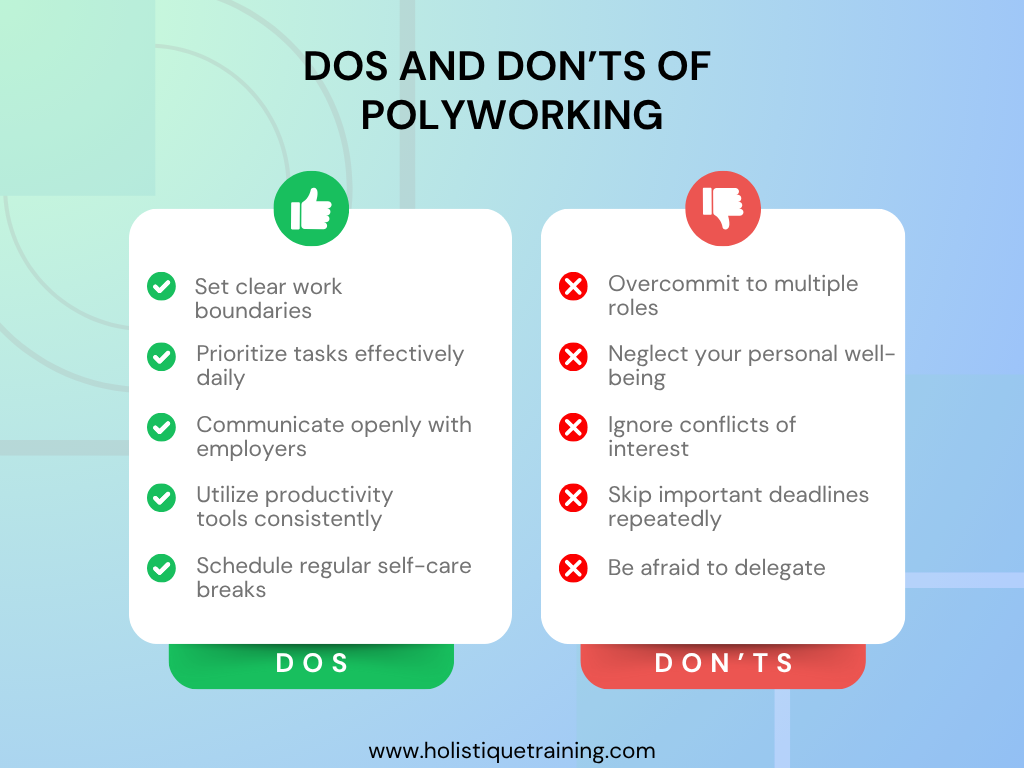
- 1. Prioritize and Plan
- 2. Set Clear Boundaries
- 3. Leverage Technology
- 4. Practice Self-Care
- 5. Stay Adaptable
- Conclusion
Introduction
The modern workforce is evolving at an unprecedented pace, driven by technological advancements, shifting cultural norms, and economic changes. As traditional career paths become less defined, a new trend has emerged: polyworking. This concept, which involves individuals engaging in multiple jobs or projects simultaneously, is reshaping how we think about work, identity, and fulfillment. This blog post will explore the intricacies of polyworking, the cultural and economic factors contributing to its rise, the benefits and downsides for employees, and how employers can adapt to support this new way of working. Additionally, we will discuss practical strategies for individuals looking to juggle multiple careers effectively.
What is Polyworking?
Polyworking refers to the practice of individuals managing multiple jobs, projects, or income streams concurrently. Unlike traditional employment models that often emphasize a single job or career path, polyworking embraces a more fluid approach to work. This can take various forms, including freelance gigs, part-time roles, consulting, or entrepreneurial ventures alongside a primary job.
At its core, polyworking is about flexibility and diversification. It allows individuals to explore different interests, develop various skills, and create multiple income sources. This approach can be particularly appealing in a world where job security is increasingly uncertain, and the gig economy continues to expand.
Polyworking is not merely about having multiple jobs; it also reflects a mindset shift. It encourages individuals to view their careers as a portfolio of opportunities rather than a linear trajectory. This perspective fosters creativity and resilience, enabling workers to adapt to changing circumstances and seize new opportunities as they arise.
Cultural and Economic Factors Affecting the Rise of Polywork
According toMonster, 47% of workers report that they currently polywork. Several cultural and economic factors have contributed to the rise of this phenomena:
1. Technological Advancements
Technological advancements have fundamentally changed how we work, communicate, and access opportunities. The proliferation of digital tools and platforms has made it easier than ever for individuals to engage in multiple jobs or projects simultaneously.
- Remote Work Capabilities: The rise ofremote work technologies, such as video conferencing, project management software, and collaboration tools, has broken down geographical barriers. Employees can now work for companies located anywhere in the world, allowing them to take on diverse roles without the constraints of a traditional office environment. This flexibility enables individuals to balance multiple jobs more effectively.
- Gig Economy Platforms: Online platforms like Upwork and TaskRabbit have democratized access to freelance work. These platforms connect individuals with clients seeking specific skills, making it feasible to pursue side gigs alongside a primary job. The ease of finding and managing freelance work has contributed to the normalization of polyworking.
- Automation and AI: As automation and artificial intelligence continue to evolve, many routine tasks are being streamlined or eliminated. This shift allows individuals to focus on more complex, creative, and fulfilling work, which can be pursued across various roles. The ability to leverage technology for efficiency also means that employees can manage multiple responsibilities without sacrificing quality.
2. Changing Attitudes Towards Work
Cultural attitudes toward work have undergone a significant transformation over the past few decades. The traditional notions of job security and loyalty to a single employer are increasingly being replaced by a desire for personal fulfillment and flexibility.
- Work-Life Balance: There is a growing emphasis on achieving a healthy work-life balance. Many individuals prioritize their personal lives, interests, and well-being over the pursuit of traditional career advancement. This cultural shift has led to a greater acceptance of non-linear career paths, where polyworking is seen as a viable option for achieving balance and fulfillment.
- Pursuit of Passion Projects: The desire to pursue passion projects has gained momentum in recent years. Many individuals seek to align their work with their interests and values, leading them to explore multiple roles that resonate with their passions. Polyworking allows individuals to engage in diverse activities that fulfill their creative and professional aspirations.
- Redefining Success: The definition of success is evolving. While financial stability remains important, many people now view success through the lens of personal satisfaction, happiness, and impact. Polyworking enables individuals to craft careers that reflect their unique definitions of success, rather than conforming to conventional expectations.
3. Economic Uncertainty
The economic landscape has become increasingly volatile, prompting individuals to reconsider their approaches to work and income generation.
- Job Security Concerns: The decline of traditional job security has led many to seek alternative ways to ensure financial stability. Economic downturns, such as the 2008 financial crisis and the COVID-19 pandemic, have highlighted the risks associated with relying on a single source of income. Polyworking offers a way to diversify income streams and reduce vulnerability to economic fluctuations.
- Rising Cost of Living: The rising cost of living in many urban areas has made it challenging for individuals to rely solely on a single job for financial security. Many people are turning to polyworking as a means of supplementing their income to meet financial obligations and maintain a comfortable lifestyle.
- Entrepreneurial Mindset: The economic climate has fostered an entrepreneurial mindset among many workers. Individuals are increasingly viewing themselves as brands and are willing to take risks to pursue new opportunities. Polyworking aligns with this mindset, allowing individuals to experiment with different roles and ventures while building their personal brand.
4. The Gig Economy
The growth of thegig economy has played a pivotal role in the rise of polyworking. It is expected that over half of the US population will participate in the gig economy by 2027, according toTeam Stage. This shift towards short-term, flexible work arrangements has created a new employment landscape that encourages individuals to explore multiple roles.
- Increased Opportunities: The gig economy has expanded the range of job opportunities available to individuals. Freelancing, consulting, and project-based work have become more mainstream, providing avenues for individuals to engage in polyworking. This expansion of opportunities has made it easier for people to pursue diverse interests and income streams.
- Changing Employer Expectations: As gig work becomes more prevalent, employers are adapting to this new reality. Many organizations now value the diverse skills and experiences that polyworkers bring to the table. This shift in employer expectations has further legitimized polyworking as a viable career path.
- Community and Support Networks: The gig economy has fostered the development of communities and support networks for freelancers and polyworkers. Online forums, social media groups, and professional associations provide resources, advice, and networking opportunities, making it easier for individuals to navigate the complexities of polyworking.
5. Globalization
Globalization has also contributed to the rise of polyworking by creating a more interconnected world.
- Access to Global Markets: Individuals can now tap into global markets, allowing them to offer their skills and services to clients around the world. This access to a broader customer base increases the potential for income generation and diversification.
- Cultural Exchange: Globalization facilitates cultural exchange and collaboration across borders. Individuals can learn from diverse perspectives and practices, enriching their own work experiences and broadening their horizons. This exposure to different cultures and ideas can inspire new projects and career paths.
In short, the rise of polyworking is a multifaceted phenomenon influenced by technological advancements, changing cultural attitudes, economic uncertainty, the growth of the gig economy, and globalization. As individuals increasingly seek flexibility, fulfillment, and financial security, polyworking has emerged as a viable and appealing option. Understanding these cultural and economic factors is essential for both employees and employers as they navigate this evolving landscape and adapt to the future of work. Embracing polyworking not only reflects the changing nature of careers but also offers opportunities for personal growth, creativity, and resilience in an ever-changing world.

The COVID-19 pandemic has had a massive effect on businesses globally. Many businesses have had to make drastic changes in their operations to remain profitable, while others have switched to a fully working-from-home model to support their opening hours while staff are isolating.
Benefits of Polyworking for Employees
Polyworking offers numerous benefits for employees, making it an attractive option for many.
Enhanced Skill Development
One of the most significant advantages of polyworking is the opportunity for continuous skill development. Engaging in multiple roles exposes individuals to diverse experiences and challenges, allowing them to cultivate a broader skill set.
- Cross-Disciplinary Skills: Polyworking often involves taking on roles in different industries or sectors. This exposure enables employees to acquire cross-disciplinary skills that enhance their adaptability and problem-solving capabilities. For instance, a graphic designer who also freelances as a marketing consultant may develop skills in both visual communication and strategic planning.
- Continuous Learning: The fast-paced nature of polyworking encourages individuals to engage in lifelong learning. Many polyworkers actively seek out training, workshops, or online courses to stay competitive and relevant in their various roles. This commitment to learning fosters personal growth and keeps skills sharp.
- Real-World Application: Unlike traditional education settings, polyworking allows individuals to apply their skills in real-world scenarios. This practical experience enhances understanding and retention of knowledge, making employees more effective in their primary jobs and side projects.
Increased Financial Security
Polyworking can significantly enhance an individual’s financial security by diversifying income sources and providing greater financial stability. In fact,statistics show that among younger generations, especially Gen Z, a whopping 93% are involved in polyworking to achieve financial independence.
- Multiple Income Streams: By engaging in various roles, employees can create multiple streams of income. This diversification reduces reliance on a single paycheck and mitigates the financial risks associated with job loss or economic downturns. For instance, a full-time employee might also freelance, consult, or invest in side businesses, creating a more resilient financial profile.
- Higher Earning Potential: Polyworkers often have the opportunity to negotiate rates and choose projects that align with their financial goals. This flexibility can lead to higher overall earnings compared to relying solely on a fixed salary. Additionally, individuals can strategically pursue high-demand skills or niches that command better compensation.
- Buffer Against Economic Instability: In uncertain economic climates, having multiple income sources can provide a safety net. Polyworkers can pivot between roles or adjust their commitments based on market demands, ensuring they remain financially secure even during challenging times.
Greater Flexibility and Autonomy
Polyworking inherently offers greater flexibility and autonomy, allowing individuals to tailor their work arrangements to fit their personal lives.
- Customizable Work Schedules: Many polyworkers have the freedom to set their own schedules, enabling them to work during hours that suit their lifestyle. This flexibility is particularly beneficial for those balancing personal commitments, such as family obligations or pursuing hobbies.
- Location Independence: With advancements in technology, many polyworking roles can be performed remotely. This location independence allows individuals to work from anywhere, whether at home, a co-working space, or while traveling. The ability to choose where to work can enhance job satisfaction and overall well-being.
- Personalized Work Environment: Polyworking allows individuals to create their ideal work environments. Whether they thrive in a bustling café or prefer the quiet of a home office, employees can design their workspace to maximize productivity and comfort.
Opportunities for Networking
Engaging in multiple roles opens up a wealth of networking opportunities that can enhance professional growth and development.
- Diverse Connections: Polyworking exposes individuals to a variety of industries and professionals. This diversity can lead to valuable connections that may not have been accessible through a single job. Networking across different fields can foster collaboration, innovation, and new opportunities.
- Building a Personal Brand: As polyworkers navigate various roles, they have the chance to build a personal brand that reflects their unique skills and experiences. A strong personal brand can enhance visibility and credibility in the job market, making it easier to attract clients, collaborators, or employers.
- Access to New Opportunities: Networking through polyworking can lead to unexpected opportunities, such as partnerships, job offers, or invitations to collaborate on projects. These connections can significantly impact an individual’s career trajectory and open doors to new ventures.
Enhanced Job Satisfaction
Polyworking can contribute to higher levels of job satisfaction by aligning work with personal interests and passions.
- Pursuit of Passion Projects: Many individuals engage in polyworking to pursue projects that resonate with their interests and values. This alignment fosters a sense of purpose and fulfillment, leading to greater job satisfaction. For instance, a software engineer might freelance as a musician, allowing them to explore their creative side while maintaining a stable income.
- Variety and Engagement: The variety of roles and projects associated with polyworking can keep individuals engaged and motivated. The dynamic nature of polyworking helps prevent monotony and burnout often experienced in traditional jobs. Engaging in different tasks can stimulate creativity and enthusiasm, enhancing overall job satisfaction.
- Increased Control Over Career Path: Polyworking empowers individuals to take control of their careers. Employees can choose projects that align with their goals and aspirations, allowing them to shape their professional journeys. This sense of agency can lead to a more fulfilling and rewarding career experience.
Improved Work-Life Balance
Polyworking can facilitate a healthier work-life balance, allowing individuals to prioritize personal well-being alongside professional commitments.
- Tailored Work Commitments: Polyworkers can choose how much time to dedicate to each role, enabling them to align their work commitments with personal priorities. This flexibility allows for better management of personal responsibilities, leisure activities, and self-care.
- Reduced Stress and Burnout: By diversifying work engagements, polyworkers can reduce the risk of burnout associated with a single, demanding job. The ability to switch between different roles can provide mental breaks and refresh perspectives, helping to maintain motivation and enthusiasm.
- Integration of Personal Interests: Polyworking allows individuals to integrate personal interests into their professional lives. For example, someone passionate about fitness might work as a personal trainer while maintaining a full-time job. This integration can enhance overall well-being and satisfaction.
Resilience and Adaptability
Engaging in multiple roles fosters resilience and adaptability, essential skills in today’s rapidly changing job market.
- Navigating Change: Polyworkers often face diverse challenges across their various roles. This exposure helps them develop problem-solving skills and adaptability, making them more resilient in the face of change. The ability to pivot between different projects equips individuals to handle uncertainty and navigate shifting circumstances.
- Building a Diverse Portfolio: Polyworking enables individuals to build a diverse portfolio of experiences, making them more versatile and appealing to employers. This diversity enhances employability and prepares individuals for various career paths, increasing their resilience in a competitive job market.
- Embracing Lifelong Learning: The dynamic nature of polyworking encourages a mindset of lifelong learning. Individuals are more likely to seek out new skills and knowledge to remain competitive across multiple roles. This commitment to learning fosters resilience and adaptability, positioning polyworkers for success in an evolving job landscape.
The benefits of polyworking for employees are multifaceted, encompassing skill development, financial security, flexibility, networking opportunities, job satisfaction, work-life balance, and resilience. As the workforce continues to evolve, polyworking represents a promising approach that aligns with the changing values and aspirations of modern workers. By embracing this flexible model, individuals can craft fulfilling careers that reflect their unique interests, skills, and goals, ultimately leading to a more enriched and satisfying professional life. As polyworking becomes increasingly accepted and integrated into the fabric of work culture, both employees and employers stand to gain from its many advantages.
Downsides of Polyworking for Employees
While polyworking offers numerous benefits, it is not without its challenges.
Time Management Challenges
Managing multiple jobs or projects can lead to significant time management difficulties.
- Competing Priorities: Polyworkers often face competing demands from different roles, making it challenging to allocate time effectively. Balancing deadlines, meetings, and responsibilities across various jobs can lead to stress and overwhelm. Without careful planning, individuals may struggle to meet the expectations of each role, leading to potential conflicts and dissatisfaction.
- Risk of Burnout: The pressure to perform well in multiple positions can contribute to burnout. Polyworkers may find themselves working longer hours to meet the demands of different jobs, leaving little time for rest and recovery. This relentless pace can lead to exhaustion, decreased productivity, and negative impacts on mental health.
- Difficulty in Setting Boundaries: Juggling multiple roles can blur the lines between work and personal life. Polyworkers may struggle to establish boundaries, leading to extended work hours and reduced personal time. The challenge of disconnecting from work can erode work-life balance, resulting in increased stress and dissatisfaction.

This program emphasises the critical role of productivity in achieving personal success and organisational excellence. Effective task management, team collaboration, and continuous assessment of improvement areas are essential to staying ahead of the competition. Adhering to strict deadlines is crucial to maintaining momentum and progress.
Potential for Overwork
The flexibility associated with polyworking can paradoxically lead to overwork.
- Always-On Culture: The ability to work from anywhere and at any time can create an "always-on" mentality. Polyworkers may feel compelled to respond to messages or complete tasks outside of regular working hours, leading to a lack of downtime. This constant connectivity can contribute to chronic stress and fatigue.
- Difficulty in Prioritizing Self-Care: With multiple commitments, polyworkers may prioritize work over self-care and personal well-being. The pressure to perform in various roles can lead individuals to neglect their physical and mental health, resulting in burnout or health issues over time.
Lack of Benefits
Many polyworkers operate as freelancers or independent contractors, which often means they do not receive traditional employee benefits.
- Absence of Health Insurance: Unlike full-time employees, polyworkers may not have access to employer-sponsored health insurance. This lack of coverage can lead to significant financial burdens in the event of medical emergencies or health issues. Individuals must seek their own health insurance plans, which can be costly and complex.
- No Retirement Plans: Polyworkers often miss out on employer-sponsored retirement plans, such as 401(k) contributions. This absence can hinder long-term financial security and retirement planning, requiring individuals to take proactive steps to save for their future.
- Limited Paid Time Off: Freelancers and contract workers typically do not receive paid time off for vacations, sick days, or personal leave. This lack of paid time off can create financial strain and make it difficult for individuals to take necessary breaks without sacrificing income.
Job Insecurity
While polyworking can provide financial diversification, it can also introduce job insecurity.
- Fluctuating Income: Income from freelance or part-time roles can be unpredictable, leading to financial instability. Polyworkers may experience periods of feast or famine, where they have an abundance of work one month and a scarcity the next. This inconsistency can create anxiety and stress regarding financial planning.
- Dependency on Client Demand: For those engaged in freelance work, job security is often tied to client demand. Economic downturns or changes in market needs can lead to decreased opportunities, leaving polyworkers vulnerable to sudden income loss.
Difficulty in Career Advancement
Navigating multiple roles can complicate career advancement for polyworkers.
- Lack of Clear Career Path: Polyworkers may find it challenging to establish a clear career trajectory. Engaging in multiple roles can lead to a fragmented professional identity, making it difficult to pursue traditional pathways for advancement. This lack of clarity can result in feelings of stagnation or frustration.
- Limited Networking Opportunities: While polyworking can expand networking opportunities, it may also limit access to professional development within a single organization. Employees who split their time across various roles may miss out on mentorship, training, and promotions available to those who are more focused on a single career path.
Tax Issues
Polyworking can introduce complex tax considerations that employees must navigate.
- Self-Employment Taxes: Many polyworkers operate as freelancers or independent contractors, which means they are responsible for self-employment taxes. This includes paying both the employer and employee portions of Social Security and Medicare taxes. The additional tax burden can be significant, especially for those who are unprepared for it.
- Complex Tax Reporting: Managing multiple income streams can complicate tax reporting. Polyworkers must keep meticulous records of their earnings, expenses, and deductions for each role. This complexity can lead to confusion and potential errors in tax filings, increasing the risk of audits or penalties.
- Quarterly Estimated Taxes: Freelancers and independent contractors may be required to pay estimated taxes quarterly. This requirement can create cash flow challenges, as individuals need to set aside funds throughout the year to meet their tax obligations. Failure to do so can result in underpayment penalties and financial strain.
Potential Legal Issues
Engaging in multiple roles can also raise potential legal concerns for polyworkers.
- Contractual Obligations: Polyworkers must be mindful of the contractual obligations associated with each role. Conflicts of interest may arise if a polyworker is engaged with competing companies or projects. Violating non-compete clauses or confidentiality agreements can lead to legal disputes and damage professional reputations.
- Liability Issues: Freelancers and independent contractors may face liability concerns related to their work. If a client claims damages due to work errors or negligence, polyworkers could be held financially responsible. This risk underscores the importance of having appropriate insurance coverage, such as professional liability insurance.
- Compliance with Regulations: Different roles may be subject to varying regulations and compliance requirements. Polyworkers must stay informed about the legal obligations associated with each job, including licensing, tax compliance, and labor laws. Failing to adhere to these regulations can result in legal complications and penalties.
While polyworking offers numerous advantages, it is essential for employees to recognize and address the potential downsides. Time management challenges, the risk of overwork, lack of benefits, job insecurity, difficulty in career advancement, tax issues, and legal concerns are all critical factors to consider. By understanding these challenges, individuals can take proactive steps to mitigate risks, establish boundaries, and seek support when needed. Ultimately, navigating the complexities of polyworking requires careful planning, self-awareness, and a commitment to maintaining a healthy work-life balance. With the right strategies in place, employees can enjoy the benefits of polyworking while minimizing its downsides, creating a fulfilling and sustainable career path.
How Employers and HR Can Support Polyworking
As polyworking becomes more prevalent, employers and HR professionals play a crucial role in supporting this new workforce dynamic.
1. Promote Flexible Work Arrangements
Flexibility is a cornerstone of polyworking, and employers can create policies that accommodate various work styles and schedules.
- Remote Work Options: Offering remote work opportunities allows employees to manage their time and responsibilities more effectively. By enabling flexible work locations, organizations can help polyworkers balance their various roles without the constraints of a traditional office environment.
- Flexible Hours: Implementing flexible work hours allows employees to choose when they work, accommodating their other commitments. This flexibility can lead to increased job satisfaction and productivity, as employees can tailor their work schedules to fit their personal and professional lives.
- Part-Time and Job Sharing: Employers can consider offering part-time positions or job-sharing arrangements that enable employees to pursue multiple roles while still contributing to the organization. This approach allows for a diverse workforce while accommodating individual career aspirations.
2. Provide Resources for Skill Development
Supporting continuous learning and skill development is essential for polyworkers, who often seek to enhance their capabilities across various roles.
- Training and Development Programs: Employers can invest in training programs that allow employees to acquire new skills relevant to their polyworking endeavors. Offering workshops, online courses, or access to educational resources can empower employees to grow professionally.
- Mentorship Opportunities: Establishing mentorship programs can provide polyworkers with guidance and support as they navigate multiple roles. Pairing employees with mentors who have experience in diverse fields can facilitate knowledge sharing and professional growth.
- Professional Development Budgets: Allocating budgets for professional development can encourage employees to pursue certifications, attend conferences, or enroll in courses that align with their interests and career goals. This investment demonstrates the organization’s commitment to employee growth and development.

Many forward-thinking business owners realise that simply giving orders isn't the most effective way to get work done. Research shows that employees are more motivated and productive when they are free to make their own choices and follow paths they enjoy.
3. Foster a Culture of Trust and Autonomy
Creating a culture that values trust and autonomy is essential for supporting polyworking employees.
- Empower Employees: Allowing employees to take ownership of their work and make decisions fosters a sense of autonomy. Trusting employees to manage their time and responsibilities can lead to increased job satisfaction and motivation.
- Encourage Open Communication: Establishing channels for open communication allows polyworkers to discuss their needs, challenges, and successes. Regular check-ins and feedback sessions can help employees feel supported and valued, creating a positive work environment.
- Recognize Achievements: Acknowledging the accomplishments of polyworking employees reinforces their contributions to the organization. Celebrating successes, whether big or small, can boost morale and motivate individuals to continue excelling in their roles.
4. Address Legal and Compliance Issues
Employers should be proactive in addressing potential legal and compliance concerns related to polyworking.
- Clear Policies on Conflicts of Interest: Developing clear policies regarding conflicts of interest can help protect both the organization and employees. Providing guidelines on how to navigate multiple roles while ensuring compliance with company policies is essential for maintaining integrity.
- Contractual Clarity: If employees engage in freelance work or side projects, it is vital to clarify the organization’s stance on external work. Clear contracts and agreements can help prevent misunderstandings and ensure that employees are aware of their rights and responsibilities.
- Support for Tax and Legal Guidance: Offering resources or access to legal and tax professionals can assist polyworkers in navigating complex issues related to self-employment, taxes, and compliance. Providing information on relevant regulations can empower employees to make informed decisions.
5. Create a Supportive Community
Building a supportive community within the organization can enhance the experience of polyworking employees.
- Networking Opportunities: Facilitating networking events or interest-based groups can help polyworkers connect with colleagues who share similar interests or experiences. This sense of community can foster collaboration, knowledge sharing, and support.
- Resource Sharing Platforms: Creating platforms for employees to share resources, tools, and best practices can enhance collaboration and support among polyworkers. This could include forums, internal blogs, or knowledge-sharing sessions where employees can exchange insights and experiences.
- Wellness Programs: Implementing wellness programs that promote mental and physical well-being can benefit polyworking employees. Offering resources such as stress management workshops, fitness classes, or mindfulness sessions can help individuals maintain a healthy work-life balance.
6. Encourage Work-Life Balance
Supporting a healthy work-life balance is crucial for the well-being of polyworking employees.
- Promote Time Off: Encouraging employees to take time off for rest and recovery is essential for preventing burnout. Employers should create a culture that values taking breaks and prioritizing personal well-being.
- Implement Well-Defined Boundaries: Establishing clear expectations around work hours and availability can help employees set boundaries between their professional and personal lives. Encouraging employees to disconnect from work during non-working hours can enhance work-life balance.
- Provide Resources for Time Management: Offering tools and resources for effective time management can help polyworkers navigate their responsibilities. This could include training on productivity techniques, access to scheduling tools, or workshops on prioritization.
7. Gather Feedback and Adapt
Regularly seeking feedback from employees can help employers understand the unique challenges faced by polyworkers and adapt their support strategies accordingly.
- Conduct Surveys and Focus Groups: Gathering input through surveys or focus groups can provide valuable insights into the experiences of polyworking employees. Understanding their needs and preferences allows organizations to tailor their support initiatives effectively.
- Be Open to Change: Organizations should remain open to adapting policies and practices based on employee feedback. Flexibility in responding to the evolving needs of polyworkers demonstrates a commitment to creating a supportive work environment.
- Regularly Review Policies: Periodically reviewing and updating policies related to polyworking can ensure they remain relevant and effective. This proactive approach can help organizations stay aligned with employee needs and industry trends.
In summary, supporting polyworking employees requires a multifaceted approach that prioritizes flexibility, skill development, trust, legal compliance, community building, work-life balance, and feedback. By implementing these strategies, employers and HR professionals can create an environment that empowers employees to thrive in their multiple roles. As the workforce continues to evolve, organizations that embrace and support polyworking will not only enhance employee satisfaction and retention but also foster a culture of innovation, collaboration, and resilience. Ultimately, investing in the well-being and success of polyworking employees benefits both the individuals and the organization as a whole.
How to Juggle Multiple Careers at Once as an Employee
Successfully managing multiple careers requires intentional strategies and effective time management. Here are some practical tips for individuals navigating the polyworking landscape:
1. Prioritize and Plan
Start by prioritizing your commitments. Identify which roles are most important to you and allocate time accordingly. Creating a detailed schedule can help you visualize your commitments and ensure that you are dedicating sufficient time to each role.
Goal management is the process of setting, aligning, tracking, and achieving objectives within an organisation or for personal development. This Goal Management Training Course is designed to provide participants with the skills and tools necessary to set realistic, measurable, and achievable goals that contribute to
2. Set Clear Boundaries
Establish clear boundaries between your different roles. Designate specific times for each job and stick to those commitments. Communicate your availability to clients and employers to manage expectations and avoid overcommitting.
3. Leverage Technology
Utilize technology to streamline your workflow. Tools like project management software, time-tracking apps, and communication platforms can help you stay organized and connected across multiple roles. Automating repetitive tasks can also free up valuable time for more critical work. Here are some examples of software and apps you can use:
4. Practice Self-Care
Taking care of your mental and physical well-being is essential when juggling multiple careers. Prioritize self-care activities, such as exercise, relaxation, and hobbies, to recharge and maintain a healthy work-life balance. Recognize the signs of burnout and take proactive steps to address it.
5. Stay Adaptable
Flexibility is key in the polyworking landscape. Be open to adjusting your schedule and commitments as needed. Embrace the unexpected and be willing to pivot when opportunities arise or challenges emerge.
Conclusion
Polyworking represents a significant shift in how we approach work and career development. As individuals seek greater flexibility, fulfillment, and financial security, the trend of engaging in multiple roles is likely to continue growing. While polyworking offers numerous benefits, it also presents challenges that require careful navigation.
Employers and HR professionals have a vital role to play in supporting this new workforce dynamic. By embracing flexibility, fostering open communication, and providing opportunities for professional development, organizations can create an environment that nurtures polyworking talent.
For individuals, successfully juggling multiple careers requires intentional planning, effective time management, and a commitment to self-care. As we move forward into a future where polyworking becomes increasingly common, embracing this new paradigm can lead to richer, more fulfilling career experiences. The journey of polyworking is not just about balancing multiple jobs; it’s about crafting a career that aligns with personal passions and aspirations, ultimately redefining what it means to work in the modern world.