

- Table of Contents
- Introduction
- What Are the Different Tech Roles?
- 1. Software Development
- 2. Data Analysis
- 3. Cybersecurity
- 4. User Experience (UX) Design
- 5. Project Management
- 6. Technical Support
- 7. Digital Marketing
- 8. Product Management
- Benefits of Transitioning to a Tech Career
- 1. High Demand
- 2. Competitive Salaries
- 3. Flexibility and Remote Work
- 4. Continuous Learning
- 5. Impactful Work
- 6. Diverse Career Paths
- 7. Community and Networking
- How to Transition to a Tech Career Without a Tech Background
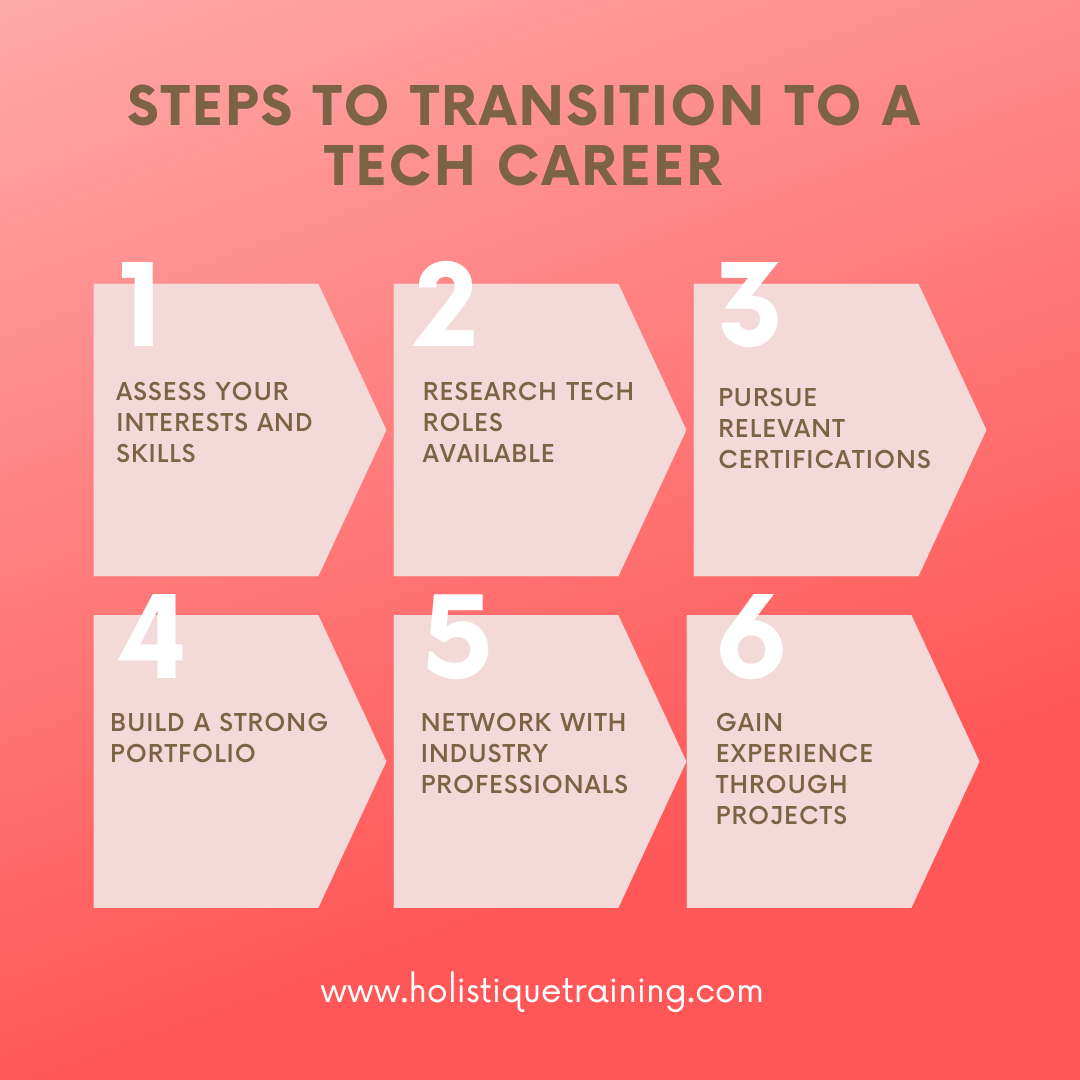
- 1. Pursue Relevant Certifications
- 2. Build a Portfolio
- 3. Seek Internships or Volunteer Opportunities
- 4. Network Effectively
- 5. Leverage Transferable Skills
- Finding the Right Career Path for You
- 1. Self-Assessment
- 2. Research Different Roles
- 3. Gain Experience Through Projects
- 4. Seek Guidance from Mentors
- 5. Stay Flexible and Open-Minded
- Tips for Effective Networking
- 1. Attend Industry Events
- 2. Leverage Social Media
- 3. Build Genuine Relationships
- 4. Utilize Alumni Networks
- 5. Practice Your Elevator Pitch
- 6. Be Consistent and Persistent
- Where to Find Job Opportunities
- Conclusion
Introduction
Embarking on a new career path can be both exhilarating and daunting, especially when the field is as dynamic and rapidly evolving as technology. Many individuals find themselves drawn to tech careers, captivated by the innovation, problem-solving, and potential for growth that the industry offers. However, the common misconception that one must have a technical background to succeed in tech can deter many aspiring professionals from pursuing this path. This blog post delves into the various facets of transitioning to a tech career without a formal tech background. We’ll explore different tech roles, the benefits of making this transition, practical steps to ease the journey, and how to leverage existing skills to carve out a niche in the tech world.
What Are the Different Tech Roles?
The tech industry is incredibly diverse, offering a multitude of roles that cater to various interests, skills, and career aspirations. Understanding the different positions available can help you identify which path aligns best with your strengths and passions. Below is a more detailed exploration of several key tech roles:
1. Software Development
Overview: Software developers are responsible for designing, coding, testing, and maintaining software applications. They work on everything from mobile apps to web applications and enterprise software.
Key Skills:
- Programming Languages: Proficiency in languages such as Python, Java, C++, or JavaScript is essential.
- Problem Solving: Developers must be able to troubleshoot issues and create efficient algorithms.
- Version Control: Familiarity with tools like Git is important for collaborative coding.
Career Path: Software development has various specializations, including front-end development (focusing on user interfaces), back-end development (server-side logic), and full-stack development (both front-end and back-end).
2. Data Analysis
Overview: Data analysts interpret complex data sets to help organizations make informed decisions. They use statistical tools to analyze trends and generate reports.
Key Skills:
- Data Visualization: Proficiency in tools like Tableau or Power BI to present data visually.
- Statistical Analysis: Knowledge of statistical methods and software like R or Python for data manipulation.
- Critical Thinking: Ability to draw insights from data and communicate findings effectively.
Career Path: Data analysts can advance to roles such as data scientists or business intelligence analysts, where they handle more complex data modeling and predictive analytics.
Tech Role | Key Responsibilities | Required Skills | Average Salary |
Software Developer | Design and develop software applications | Programming, problem-solving, teamwork | $95,000 |
Data Scientist | Analyze data to inform decisions | Statistics, machine learning, data visualization | $120,000 |
UX/UI Designer | Enhance user experience through design | Design principles, prototyping, user research | $85,000 |
DevOps Engineer | Streamline development and operations | Automation, cloud services, scripting | $110,000 |
Cybersecurity Analyst | Protect systems from security threats | Network security, risk assessment, incident response | $100,000 |
3. Cybersecurity
Overview: Cybersecurity professionals protect an organization’s computer systems and networks from security breaches and cyber threats. They implement security measures and respond to incidents.
Key Skills:
- Network Security: Understanding of firewalls, VPNs, and intrusion detection systems.
- Risk Assessment: Ability to evaluate security risks and develop mitigation strategies.
- Incident Response: Knowledge of how to respond to security breaches and minimize damage.
Career Path: Entry-level roles include security analysts, which can lead to positions like cybersecurity engineers or chief information security officers (CISOs).

The job role of a cybersecurity professional is crucial in safeguarding an organisation's digital assets, infrastructure, and sensitive information from cyber threats. These professionals are tasked with identifying vulnerabilities, implementing protective measures, and responding to security incidents to mitigate risks effectively. With cyberattacks becoming increasingly frequent and
4. User Experience (UX) Design
Overview: UX designers focus on enhancing user satisfaction by improving the usability and accessibility of products. They conduct user research, create wireframes, and test designs.
Key Skills:
- User Research: Ability to conduct surveys and interviews to understand user needs.
- Prototyping: Proficiency in tools like Sketch, Figma, or Adobe XD to create design prototypes.
- Usability Testing: Conducting tests to gather feedback and iterate on designs.
Career Path: UX designers may transition into roles like UX researchers, interaction designers, or product designers, where they have a greater influence on the overall product strategy.

This specialised training course introduces participants to the principles and practices of User Experience (UX) design tailored for online stores and e-commerce platforms. It highlights how intuitive design, customer-centric navigation, and seamless digital interactions directly impact customer satisfaction, conversion rates, and brand loyalty.The course covers usability
5. Project Management
Overview: Tech project managers oversee the planning, execution, and delivery of tech projects. They coordinate teams, manage resources, and ensure projects are completed on time and within budget.
Key Skills:
- Leadership: Strong ability to lead diverse teams and foster collaboration.
- Agile Methodologies: Familiarity with Agile and Scrum frameworks for managing projects.
- Communication: Excellent verbal and written communication skills to convey project goals and updates.
Career Path: Project managers can advance to program managers or portfolio managers, overseeing multiple projects or entire portfolios of work.

In today's fast-paced digital era, technological advancements impact every industry. From upgrading Customer Relationship Management (CRM) systems to refining marketing strategies and services on increasingly popular social media platforms, to embracing remote work and integrating artificial intelligence—technology is reshaping the way businesses operate.To be an effective leader in this evolving
6. Technical Support
Overview: Technical support specialists assist users with hardware and software issues. They troubleshoot problems, provide solutions, and guide users through technical challenges.
Key Skills:
- Problem Solving: Ability to diagnose issues quickly and effectively.
- Customer Service: Strong interpersonal skills to assist users patiently and clearly.
- Technical Knowledge: Familiarity with common software and hardware issues.
Career Path: Technical support roles can lead to positions such as systems administrators or IT managers, where professionals take on more responsibility in managing IT infrastructures.

In today's fast-paced business environment, characterised by rapid technological advancements and increasing reliance on digital solutions, a solid understanding of IT essentials has become indispensable for non-IT managers across diverse industries. Recognizing the significance of IT knowledge goes beyond merely navigating through spreadsheets or emails;
7. Digital Marketing
Overview: Digital marketers utilize online platforms to promote products and services. They develop marketing strategies, create content, and analyze campaign performance.
Key Skills:
- SEO and SEM: Understanding of search engine optimization and search engine marketing to enhance online visibility.
- Content Creation: Ability to create engaging content across various media formats.
- Analytics: Proficiency in tools like Google Analytics to track and measure campaign effectiveness.
Career Path: Digital marketers can specialize in areas like social media marketing, email marketing, or content marketing, and may advance to roles like marketing managers or directors.
8. Product Management
Overview: Product managers guide the development of products from conception to launch. They work closely with cross-functional teams to ensure that products meet market needs.
Key Skills:
- Market Research: Ability to analyze market trends and customer feedback to inform product decisions.
- Strategic Thinking: Strong business acumen to align product development with company goals.
- Collaboration: Excellent teamwork skills to coordinate efforts between engineering, design, and marketing teams.
Career Path: Product managers can advance to senior product manager roles, product directors, or even chief product officers (CPOs), where they have a strategic influence on the company’s product offerings.
In short, the variety of roles in the tech industry ensures that there is something for everyone, regardless of their background. By understanding these roles and the skills required, you can better navigate your transition into a tech career and find a path that aligns with your interests and strengths. Whether you are drawn to the creative aspects of UX design, the analytical nature of data analysis, or the strategic elements of product management, the tech industry offers a wealth of opportunities for those willing to learn and adapt.
Benefits of Transitioning to a Tech Career
Transitioning to a tech career offers numerous advantages, making it an appealing option for many. Here are some key benefits:
1. High Demand
The tech industry is consistently growing, leading to a high demand for skilled professionals. This demand spans various sectors, including healthcare, finance, education, and entertainment, creating a wealth of job opportunities. As technology continues to evolve, new roles emerge, ensuring that skilled individuals are needed to fill gaps in the workforce. Moreover, many companies are actively seeking diverse talent, which increases the chances for those from non-technical backgrounds to enter the field.
2. Competitive Salaries
Tech roles often come with attractive compensation packages, reflecting the specialized skills required in the field. Salaries in tech can be significantly higher than in many other industries, especially as you gain experience and specialize in high-demand areas. Additionally, many tech companies offer bonuses, stock options, and comprehensive benefits, further enhancing the overall compensation. This financial incentive can lead to greater economic stability and the ability to invest in personal and professional growth.
3. Flexibility and Remote Work
Many tech jobs offer flexible working arrangements, including remote work options. This flexibility allows individuals to create a work environment that suits their personal preferences and lifestyles, which can lead to increased job satisfaction. The ability to work from anywhere also opens up opportunities for those who may need to relocate or prefer to travel while maintaining their careers. Furthermore, flexible hours can enable better work-life balance, allowing professionals to manage personal commitments alongside their work responsibilities.
4. Continuous Learning
The tech industry is ever-evolving, providing opportunities for continuous learning and professional development. Engaging with new technologies keeps your skills relevant and can lead to career advancement. Many tech companies encourage ongoing education through workshops, seminars, and access to online courses, fostering a culture of innovation and growth. This commitment to learning not only enhances your skill set but also keeps you motivated and engaged in your work, as you are constantly challenged to adapt and improve.
5. Impactful Work
Working in tech allows you to contribute to innovative projects that can have a significant impact on society, from improving healthcare to enhancing communication. Many tech solutions address real-world problems, making your work feel meaningful and rewarding. Whether you’re developing software that streamlines business processes or creating applications that help users connect, your contributions can lead to tangible improvements in people’s lives. This sense of purpose can be a powerful motivator and can foster a deep connection to your work.
6. Diverse Career Paths
The variety of roles within the tech industry means you can explore different paths and pivot as your interests and skills develop. This diversity allows for a more personalized career trajectory, where you can shift from one role to another based on your evolving interests. For instance, a software developer may transition into project management, or a data analyst might move into a product management role. This adaptability is particularly beneficial in a fast-paced industry where new technologies and methodologies are constantly emerging.
7. Community and Networking
The tech community is often collaborative and supportive, offering opportunities for networking and mentorship. Engaging with others in the field can lead to valuable connections that may open doors to job opportunities and collaborations. Many tech professionals are eager to share their knowledge and experiences, fostering an environment where learning from one another is encouraged. Participating in meetups, conferences, and online forums can help you build a robust professional network that supports your career growth.
These benefits make the prospect of transitioning to a tech career not only appealing but also a strategic move for those seeking growth and fulfillment in their professional lives. Embracing a tech career can lead to a rewarding journey filled with opportunities for personal and professional development.
Table: Tech Career Importance: Then vs. Now
Career Aspect | Importance Then | Importance Now |
Technical Skills | Basic programming knowledge | Advanced coding and frameworks |
Networking | Limited to local events | Global online connections |
Certifications | Less emphasis on credentials | Highly valued for job prospects |
Remote Work | Rarely available | Common and widely accepted |
Job Market Demand | Stable but slow growth | Rapid growth and high demand |
How to Transition to a Tech Career Without a Tech Background
Transitioning to a tech career without prior experience may seem challenging, but it is entirely possible with the right approach. Here are several actionable steps to facilitate your transition:
1. Pursue Relevant Certifications
Certifications can demonstrate your commitment and knowledge in a specific area of technology, making you more attractive to potential employers. Consider enrolling in online courses or boot camps that offer certifications in fields such as:
- Web Development: Platforms like Holistique Training orCodecademy provide excellent resources for learning web development. Completing projects as part of these courses can also give you hands-on experience.
- Data Science: Holistique Training offers courses that can help you gain foundational skills indata analysis andmachine learning. These platforms often collaborate with universities, providing high-quality education and recognized certifications.
- Cybersecurity: TheCompTIA Security+ certification is a great starting point for those interested in cybersecurity. This certification covers essential concepts and practices, allowing you to understand the field's fundamentals and enhancing your employability.
By obtaining relevant certifications, you not only acquire valuable knowledge but also signal to employers that you are serious about your career transition.
2. Build a Portfolio
A strong portfolio showcases your skills and projects, making you more attractive to potential employers. Start by:
- Creating Personal Projects: Develop your own applications, websites, or data analysis projects that reflect your skills and interests. These projects can serve as practical demonstrations of your abilities and creativity.
- Contributing to Open Source: Engage with open-source projects on platforms likeGitHub to gain real-world experience and collaborate with others in the community. This involvement can also help you learn industry best practices and improve your coding skills.
- Documenting Your Work: Ensure you document your projects thoroughly, explaining your thought process, the technologies used, and the challenges faced. This narrative can help potential employers understand your problem-solving abilities and technical expertise.
A well-crafted portfolio not only highlights your skills but also provides tangible evidence of your capabilities, making it easier for employers to visualize your potential contributions.
3. Seek Internships or Volunteer Opportunities
Internships and volunteer positions provide valuable hands-on experience, allowing you to apply what you've learned in real-world settings. Look for opportunities in:
- Nonprofits: Many nonprofits seek tech-savvy individuals to help with their digital needs, offering a chance to gain experience while contributing to a good cause. This can also enhance your resume while demonstrating your commitment to community service.
- Startups: Smaller companies often have fewer barriers to entry and can provide a dynamic learning environment. Startups may offer more opportunities to take on diverse responsibilities, allowing you to gain a broader range of skills.
- Hackathons: Participating in hackathons can be an excellent way to gain experience, meet like-minded individuals, and showcase your skills in a competitive yet collaborative environment. These events often lead to networking opportunities and potential job offers.
By actively seeking internships or volunteer roles, you can build your resume, gain practical experience, and expand your professional network.
4. Network Effectively
Networking is crucial in the tech industry. Here are some strategies to build your network:
- Attend Meetups and Conferences: Participate in local tech meetups, conferences, or workshops to connect with professionals in your desired field. These events often feature speakers and panel discussions that can provide valuable insights into industry trends.
- Join Online Communities: Engage in forums, social media groups, and platforms like LinkedIn to connect with industry professionals and seek advice. Online communities can be a great resource for learning and sharing experiences.
- Leverage Alumni Networks: If you attended a university or college, tap into your alumni network. Many institutions have dedicated platforms for alumni to connect, share job leads, and offer mentorship.
Building a robust professional network can open doors to job opportunities, mentorship, and valuable industry insights that can guide your career transition.
5. Leverage Transferable Skills
Many skills from your previous career can be valuable in tech. Consider the following:
- Communication Skills: Being able to convey complex ideas clearly is essential in tech roles, especially in project management and UX design. Strong communication fosters collaboration and ensures that all team members are aligned on project goals.
- Analytical Thinking: If you have experience in data analysis or problem-solving, these skills are highly transferable to tech roles. Analytical thinking can help you approach technical challenges methodically and devise effective solutions.
- Project Management: Experience managing projects can be beneficial if you transition into product management or project management roles in tech. Your organizational skills and ability to coordinate tasks can enhance team efficiency and project outcomes.
Identifying and highlighting these transferable skills can set you apart from other candidates and demonstrate your readiness for a tech career.
In summary, transitioning to a tech career without a tech background may seem daunting, but with determination and a strategic approach, it is entirely achievable. By pursuing relevant certifications, building a strong portfolio, seeking internships or volunteer opportunities, networking effectively, and leveraging your transferable skills, you can position yourself for success in this dynamic industry. Embrace the journey with confidence, knowing that many have successfully made this transition before you, and your unique perspective can bring valuable insights to the tech world.
Finding the Right Career Path for You
Identifying the right career path in tech requires self-reflection and research. Here are some steps to help you determine the best fit:
1. Self-Assessment
Conducting a thorough self-assessment is the first step in determining your ideal career path. Consider evaluating your:
- Interests: Reflect on what aspects of technology excite you the most. Are you drawn to coding, data analysis, user experience, or perhaps project management? Understanding your passions can guide you toward roles that will keep you engaged and motivated.
- Skills: Identify both your hard and soft skills. Hard skills might include programming languages or data analysis techniques, while soft skills could include communication, teamwork, and problem-solving abilities. Recognizing your strengths can help you target roles that align with your capabilities.
- Values: Consider what values are important to you in a workplace. Do you prioritize work-life balance, company culture, opportunities for growth, or the chance to make a social impact? Aligning your career with your personal values can lead to greater job satisfaction and fulfillment.
By taking the time to assess these factors, you can gain clarity on the types of roles that will resonate with you and enhance your career satisfaction.
2. Research Different Roles
Understanding the various roles available in the tech industry is essential for making an informed decision. Take the time to:
- Explore Job Descriptions: Look at job postings on platforms like LinkedIn, Indeed, or Glassdoor to get a sense of the responsibilities and requirements for different positions. Pay attention to the skills and qualifications frequently mentioned, as this can inform your learning and development efforts.
- Read Industry Blogs and Articles: Follow tech blogs, podcasts, and YouTube channels that discuss different tech careers and trends. These resources can provide insights into the day-to-day experiences of professionals in various roles, helping you understand what to expect.
- Conduct Informational Interviews: Reach out to professionals currently working in roles you’re interested in and ask if they would be willing to share their experiences. Informational interviews can provide valuable firsthand insights and help you build connections in the industry.
By actively researching different roles, you can develop a clearer picture of what each position entails and how well it aligns with your interests and skills.
3. Gain Experience Through Projects
Hands-on experience is invaluable when determining the right career path. Engage in projects that allow you to:
- Experiment with Different Technologies: Try out various programming languages, tools, or methodologies through personal projects or online challenges. This experimentation can help you discover what you enjoy working with and where your strengths lie.
- Collaborate with Others: Join hackathons, coding boot camps, or community projects to work alongside others. Collaborative experiences can expose you to different roles within tech and help you understand how various positions contribute to a project’s success.
- Document Your Learning: Keep a record of your projects, challenges faced, and skills acquired. This documentation not only serves as a portfolio but also helps you reflect on what aspects of the work you enjoyed or found challenging.
By gaining practical experience, you can better understand your preferences and aptitudes, which will inform your career decisions moving forward.
4. Seek Guidance from Mentors
Having a mentor can significantly impact your career exploration process. To find and benefit from mentorship:
- Identify Potential Mentors: Look for individuals in your network or industry who have experience in areas you’re interested in. This could include former colleagues, professors, or professionals you meet at networking events.
- Be Open to Feedback: When working with a mentor, be receptive to their insights and suggestions. They can provide valuable advice based on their experiences, helping you navigate your career path more effectively.
- Set Clear Goals: Communicate your career aspirations with your mentor and discuss how they can help you achieve them. Whether it’s refining your skills, expanding your network, or exploring job opportunities, having clear objectives will make your mentorship more productive.
A strong mentor can offer guidance, encouragement, and perspective, making your transition into a tech career smoother and more informed.
5. Stay Flexible and Open-Minded
The tech industry is constantly evolving, and being adaptable is essential for long-term success. To maintain flexibility in your career path:
- Embrace Change: Be willing to explore new technologies, roles, or industries as they emerge. The ability to pivot and adapt can open up unexpected opportunities that align with your evolving interests.
- Continuous Learning: Commit to lifelong learning by keeping your skills up to date. Enroll in courses, attend workshops, and stay informed about industry trends. This proactive approach will not only enhance your employability but also keep you engaged in your work.
- Reevaluate Your Goals: Periodically assess your career goals and interests. As you gain experience and insights, your aspirations may shift. Regularly reflecting on your career path will help ensure that you remain aligned with your passions and objectives.
By staying flexible and open-minded, you can navigate the dynamic nature of the tech industry and find a career path that continues to inspire and challenge you.
In short, finding the right career path in the tech industry requires a combination of self-reflection, research, hands-on experience, mentorship, and adaptability. By taking these steps, you can identify a path that aligns with your skills, interests, and values, ultimately leading to a fulfilling and successful career. Embrace the journey of exploration and growth, knowing that the tech industry offers a wealth of opportunities for those willing to pursue them.
Tips for Effective Networking
Building a professional network is essential for career advancement in tech. Here are some effective networking strategies:
1. Attend Industry Events
Participating in industry events is a great way to meet professionals and expand your network. To make the most of these opportunities:
- Choose Relevant Events: Look for conferences, workshops, meetups, and seminars that align with your interests and career goals. Focus on events that attract professionals from your desired field, whether it’s software development, data science, or cybersecurity.
- Prepare in Advance: Research the speakers, topics, and attendees beforehand. Having a basic understanding of the event’s agenda will allow you to engage more meaningfully in conversations and ask insightful questions.
- Follow Up: After the event, reach out to individuals you met. Send a personalized message thanking them for their time and referencing something specific from your conversation. This follow-up can help solidify the connection and keep the conversation going.
By actively participating in industry events and following up, you can build lasting relationships that may benefit your career.
2. Leverage Social Media
Social media platforms, particularly LinkedIn, can be powerful tools for networking. To effectively use social media:
- Optimize Your Profile: Ensure your LinkedIn profile is complete and professional. Use a clear profile picture, write a compelling headline, and summarize your skills and experiences. Highlight your interests in tech to attract like-minded professionals.
- Engage with Content: Share articles, comment on posts, and participate in discussions related to your field. Engaging with content not only showcases your knowledge but also increases your visibility within your network.
- Join Relevant Groups: Participate in LinkedIn groups or forums related to your interests. These groups often provide a platform for discussions, job postings, and networking opportunities with industry peers.
Utilizing social media effectively can expand your reach and help you connect with professionals who share your interests.
3. Build Genuine Relationships
Networking is about building authentic relationships rather than merely collecting contacts. To foster genuine connections:
- Be Approachable: Smile, make eye contact, and be open to conversations. Your demeanor can encourage others to engage with you and share their experiences.
- Listen Actively: When conversing, focus on what the other person is saying. Ask questions and show genuine interest in their experiences and insights. This approach not only strengthens the connection but also helps you learn from others.
- Offer Help: Networking is a two-way street. Look for opportunities to assist others, whether by sharing resources, providing introductions, or offering your expertise. Building a reputation as someone who is helpful and supportive can lead to reciprocal benefits.
By prioritizing genuine relationships, you can create a network of trusted contacts who are more likely to support you in your career journey.
4. Utilize Alumni Networks
Your school or university alumni network can be a valuable resource for networking. To leverage this connection:
- Join Alumni Groups: Many institutions have alumni associations or online groups where former students can connect. Participate in these groups to meet fellow alumni who may be working in your desired field.
- Attend Alumni Events: Look for networking events hosted by your alumni association. These gatherings often provide a relaxed atmosphere for reconnecting with former classmates and meeting new contacts.
- Reach Out for Informational Interviews: Don’t hesitate to contact alumni who are in roles or companies you’re interested in. Many are willing to share their experiences and offer advice, and they may even know of job openings.
Utilizing your alumni network can provide access to a supportive community that shares a common background and can help you navigate your career path.
5. Practice Your Elevator Pitch
Having a concise and engaging elevator pitch is essential for networking. To craft an effective pitch:
- Keep It Short: Aim for a 30- to 60-second pitch that summarizes who you are, what you do, and what you’re looking for. This brevity ensures you capture attention without overwhelming your audience.
- Highlight Your Unique Value: Focus on what sets you apart from others in your field. Whether it’s a specific skill, unique experience, or a passion for a particular technology, make sure to convey your value clearly.
- Tailor Your Pitch: Adjust your pitch based on the audience and context. If you’re speaking to a recruiter, emphasize your skills and job aspirations; if you’re networking with peers, focus on shared interests and experiences.
Practicing your elevator pitch will help you communicate effectively and leave a lasting impression on those you meet.
6. Be Consistent and Persistent
Networking is not a one-time effort; it requires ongoing engagement. To maintain your network:
- Stay in Touch: Regularly reach out to your contacts, even if it’s just a quick message to check in. Sharing relevant articles or updates about your career can keep the relationship alive.
- Attend Follow-Up Events: If you meet someone at an event, look for opportunities to reconnect at future gatherings. Consistent attendance at industry events can help reinforce existing connections and create new ones.
- Be Patient: Building a strong network takes time. Don’t be discouraged if you don’t see immediate results. Stay persistent and continue to nurture your relationships, and the benefits will come.
By being consistent and persistent in your networking efforts, you can cultivate a robust and supportive professional network that can aid your career advancement.
In conclusion, effective networking is a crucial component of career development in the tech industry. By attending industry events, leveraging social media, building genuine relationships, utilizing alumni networks, practicing your elevator pitch, and being consistent in your efforts, you can create a strong network that will support you throughout your career. Remember that networking is about creating meaningful connections, so approach it with authenticity and a willingness to help others.
Where to Find Job Opportunities
Finding job opportunities in tech requires a proactive approach. Here are some resources to help you in your search:
- Job Boards: Websites like Indeed, Glassdoor, and LinkedIn have extensive listings for tech jobs. Use filters to narrow down your search based on your skills and interests.
- Company Websites: Many companies post job openings on their websites. Identify organizations that align with your values and check their careers page regularly.
- Networking Events: Attend job fairs, meetups, and industry conferences to connect with potential employers and learn about job openings.
- Recruitment Agencies: Consider working with recruitment agencies that specialize in tech placements. They can help match you with suitable job opportunities based on your skills.
- Social Media: Follow companies and industry leaders on platforms like Twitter and LinkedIn for updates on job openings and industry trends.
Conclusion
Transitioning to a tech career without a tech background may seem challenging, but with the right mindset and strategies, it is entirely achievable. By understanding the various tech roles available, pursuing relevant certifications, building a strong portfolio, and leveraging your transferable skills, you can position yourself for success in this dynamic industry. Networking effectively and staying informed about job opportunities will further enhance your chances of finding the right role for you.
Embrace the journey of transitioning to a tech career with confidence and enthusiasm. The tech industry is not just for those with technical backgrounds; it is a realm of possibilities for anyone willing to learn, adapt, and innovate. As you take these steps, remember that every expert was once a beginner, and your unique perspective can bring valuable insights to the tech world.