
- Table of Contents
- Introduction
- Why Training Matters in Care Environments
- How Inadequate Training Leads to Preventable Injuries
- The Role of Ongoing Training vs. One-Time Orientation
- Examples of Training Programs That Improve Safety
- What Families and Facilities Should Look for in a Well-Trained Team
- Recognizing the Connection Between Training and Resident Safety
- Conclusion
Introduction
Nursing homes carry the responsibility of providing consistent and attentive care to residents whose well-being depends on daily support. Despite regulations and oversight, preventable injuries remain common in many facilities, often exposing gaps in preparation and practice. One of the most significant factors influencing resident safety is the level of staff training. Training is not just an entry requirement; it establishes the foundation for how care is delivered, how risks are managed, and how effectively staff respond to challenges.
Why Training Matters in Care Environments
Nursing home staff handle tasks that require both technical skill and sound judgment. From assisting residents with mobility to managing complex medication schedules, each action carries potential risks if performed incorrectly. Comprehensive training ensures that employees understand not only the procedures they must follow but also the reasons behind them.
Well-structured programs prepare staff to anticipate risks, respond promptly to emergencies, and deliver consistent care across shifts. For organizations, this creates safer operating environments and greater trust in service quality. For residents, it strengthens confidence in daily care, and for organizations, it demonstrates a commitment to competence and safety.
How Inadequate Training Leads to Preventable Injuries
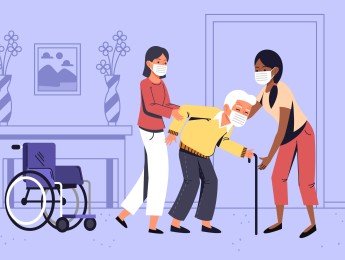
When training is insufficient, the consequences often appear in direct impacts on resident safety. Falls are one of the most frequent causes of harm in nursing homes, commonly linked to improper transfer techniques or inadequate supervision. Pressure injuries can develop when repositioning procedures are not properly followed. Medication errors may occur due to unclear instructions or breakdowns in communication among staff members.
Each of these outcomes can be avoided when training is comprehensive and continuous. Without that foundation, even routine care tasks can result in preventable harm, thereby undermining both resident well-being and the organization's reputation.
The Role of Ongoing Training vs. One-Time Orientation
Many facilities offer introductory orientations for new employees, but initial instruction alone is not enough to maintain long-term safety standards. The needs of residents evolve, regulations change, and care environments face new challenges over time. Without reinforcement, staff may default to outdated practices that increase risks.
Ongoing training ensures that employees remain aligned with best practices and confident in managing complex situations. Refresher sessions on safe transfer techniques, updated medication management protocols, and scenario-based emergency drills all strengthen performance. The CDC’s training resources for long-term care facility staff emphasize that education should be continuous to protect vulnerable residents and support high-quality care.
Examples of Training Programs That Improve Safety
The effectiveness of training depends on how well programs address the specific challenges of long-term care. Generic approaches may leave gaps, while targeted instruction prepares staff for the realities of resident care.
Key areas of emphasis include:
- Communication protocols: Ensuring that staff report incidents promptly and coordinate across shifts to reduce errors.
- Fall prevention techniques: Teaching safe transfer methods and individualized mobility support to minimize accidents.
- Medication handling: Standardized training for dosage accuracy, timing, and documentation.
- Emergency preparedness: Regular drills to build confidence in responding to medical or environmental crises.
Instruction in these areas has been shown to reduce the likelihood of common injuries in nursing homes by addressing the most frequent risks residents face, from falls to medication errors. Facilities that commit to structured training programs not only improve resident outcomes but also strengthen overall organizational performance.
What Families and Facilities Should Look for in a Well-Trained Team
The presence of a strong training culture is often visible in day-to-day interactions. Well-prepared staff demonstrate clear communication, provide timely responses, and consistently apply safety procedures. These behaviors reflect both individual competence and the organization’s investment in professional learning.
Conversely, signs of insufficient training may include hesitation during routine tasks, inconsistent communication between shifts, or delayed responses to resident needs. Whether assessing a potential facility or evaluating one that has already been chosen, questions about the frequency and quality of training programs provide valuable insight into a home’s commitment to safety.
Recognizing the Connection Between Training and Resident Safety
A facility’s approach to training reflects its broader culture of responsibility and care. Regulatory standards establish a baseline, but meaningful protection for residents comes from organizations that view staff development as an ongoing priority. Continuous training builds skilled teams, reduces risk exposure, and enhances confidence across the workforce.
The link between training and safety is especially evident in injury prevention. Homes that invest in mobility training and monitoring protocols consistently report fewer incidents and improved care outcomes. Resources on the principles of enhanced health and safety management illustrate how structured learning systems strengthen safety and performance across diverse environments. For decision-makers, understanding this connection makes it easier to evaluate facilities and advocate for standards that prioritize long-term well-being.
Conclusion
Staff training is one of the most effective strategies nursing homes can use to protect residents and maintain operational quality. When employees receive ongoing education, they are better equipped to prevent mistakes, manage emergencies, and deliver consistent care. Facilities that place value on professional learning not only safeguard residents but also reinforce a culture of accountability and excellence. By prioritizing structured training, nursing homes strengthen both resident protection and organizational resilience.