
- Table of Contents
- Introduction
- What is Career Shock?
- Symptoms of Career Shock
- 1. Sudden Loss of Confidence
- 2. Emotional Overwhelm
- 3. Disengagement from Work
- 4. Identity Disruption
- 5. Physical Stress Responses
- 6. Impulsive or Reactive Decision-Making
- 7. Increased Self-Doubt and Questioning of Skills
- 8. Difficulty Focusing and Prioritizing
- Why You Should Care About Career Shock
- 1. Protect Your Professional Confidence
- 2. Prevent Burnout and Long-Term Stress
- 3. Identify Misalignments in Your Career
- 4. Improve Decision-Making During Transitions
- 5. Strengthen Career Resilience
- 6. Enhance Professional Growth Opportunities
- 7. Maintain Engagement and Job Satisfaction
- 8. Prepare for the Increasingly Uncertain Work Environment
- 6 Practical Ways to Overcome Career Shock
- 1. Reassess Personal Goals and Values
- 2. Seek Professional and Social Support
- 3. Strengthen Existing Skills and Learn New Ones
- 4. Break Challenges into Manageable Steps
- 5. Prioritize Emotional and Physical Well-Being
- 6. Redefine Success on Your Own Terms
- How Can Employers Help with Mitigating Career Shock?
- 1. Transparent and Timely Communication
- 2. Provide Career Development and Learning Opportunities
- 3. Foster Psychological Safety and Supportive Culture
- 4. Support Employee Well-Being
- 5. Structured Support for Positive Shocks
- 6. Encourage Career Planning and Mobility
- Conclusion
Introduction
Careers are often imagined as paths that can be carefully planned, steadily progressing from one milestone to another. Many professionals dedicate years to building expertise, gaining recognition, and cultivating a sense of stability in their chosen field. Yet, despite meticulous planning, unexpected events can abruptly alter the course of a career. These events, collectively known as career shocks, can provoke confusion, stress, and uncertainty, leaving even the most prepared professionals questioning their direction.
This blog post explores career shock in depth. It defines the phenomenon, identifies its symptoms, highlights why it is important to address, and provides practical strategies to overcome its impact. Additionally, it examines how employers can play a vital role in mitigating career shock for their teams. By understanding career shock and developing tools to respond effectively, both employees and organizations can transform disruption into opportunity for growth and advancement.
What is Career Shock?
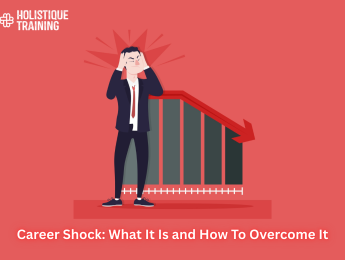
Career shock refers to a sudden, unexpected event that disrupts a professional’s trajectory or perception of their career. Unlike planned transitions, which allow for preparation and adjustment, career shocks arrive without warning and often demand immediate attention and adaptation. They are characterized by their intensity and the emotional, cognitive, and behavioral responses they provoke.
Career shocks may be negative , such as unexpected job loss, demotion, poor performance evaluation, organizational restructuring, or technological changes that render current skills obsolete. Alternatively, career shocks can be positive , arising from sudden promotions, opportunities for leadership, significant recognition, or rapid changes in responsibility that exceed prior expectations. Even seemingly beneficial shocks can create stress if the individual feels unprepared to handle new challenges.
Shocks can also be categorized as external or internal . External shocks stem from factors outside the individual’s control, including economic downturns, industry disruptions, or global events. Internal shocks are tied to personal circumstances or choices, such as health challenges, changing family priorities, or self-discovery of career misalignment.
What distinguishes career shock from ordinary career challenges is its unexpected nature and the degree to which it forces reflection and reevaluation. A career shock often prompts professionals to examine assumptions about their strengths, goals, and the alignment between personal values and their current role. It can catalyze transformation, redirecting careers toward more meaningful, fulfilling paths, or, if unaddressed, it can lead to disengagement, burnout, or stagnation.
Aspect | Positive Career Shock | Negative Career Shock |
Nature | Unexpected opportunities or promotions | Unexpected setbacks or challenges |
Required Adaptation | Learning new responsibilities or roles | Coping with change, skill gaps, or job loss |
Impact on Career | Accelerates growth and skill development | Can disrupt progress and create uncertainty |
Symptoms of Career Shock
According to a study by the Academy of Management, 61.5% of participants reported experiencing career shock since March 2020. Recognizing the signs of career shock is crucial because early awareness allows individuals to respond proactively, rather than react impulsively. While everyone experiences career disruption differently, certain patterns frequently emerge, reflecting both emotional and behavioral responses. Understanding these symptoms can help professionals identify when they are experiencing career shock and take steps to manage it effectively.
1. Sudden Loss of Confidence
One of the most immediate effects of career shock is a sudden erosion of self-confidence. Tasks that were previously straightforward may now feel overwhelming, and professionals may begin to question their competence. For example, an employee who receives unexpected critical feedback may doubt their ability to meet performance expectations, even if their track record was strong. This loss of confidence can lead to hesitation in decision-making, avoidance of challenging projects, or reluctance to pursue opportunities that were once appealing.
2. Emotional Overwhelm
Career shocks often provoke strong emotional reactions, including anxiety, frustration, sadness, or even anger. The intensity of these emotions can make it difficult to think clearly or plan effectively. For instance, a sudden organizational restructuring may generate fear about job security, causing persistent worry that disrupts both professional focus and personal life. Emotional overwhelm can also affect relationships at work, as colleagues may notice irritability, withdrawal, or mood swings.
3. Disengagement from Work
A common symptom is a decrease in motivation and engagement . Professionals may feel that their daily tasks lack purpose or that their contributions are undervalued, leading to reduced effort or avoidance of responsibilities. For example, someone who experiences a demotion or missed promotion opportunity might start doing only the minimum required, missing chances to showcase their skills or pursue growth. Prolonged disengagement can harm both personal career development and team performance.
4. Identity Disruption
For many professionals, career identity is deeply intertwined with self-worth. When a career shock occurs—such as sudden job loss, public criticism, or an unexpected change in responsibilities—individuals may feel that their sense of identity is shaken. They may ask themselves questions like, “Am I still capable?” or “Is this the right career path for me?” This disruption can cause confusion and self-doubt, particularly for individuals who have heavily invested in a specific career trajectory.
5. Physical Stress Responses
Career shock doesn’t only affect the mind; it can also manifest physically. Stress responses such as tension, headaches, fatigue, disrupted sleep, and digestive issues are common when the body reacts to prolonged uncertainty and anxiety. In fact, studies show that higher levels of workplace change are linked to increased employee stress. These physical symptoms often amplify emotional strain, creating a cycle that makes it even more challenging to think clearly, engage at work, or take constructive steps to address the situation.
6. Impulsive or Reactive Decision-Making
Some individuals respond to career shocks by making sudden, drastic decisions without fully evaluating consequences. This can include quitting a job impulsively, taking a role that is a poor fit, or pursuing a career pivot driven primarily by fear or frustration. Such reactive decisions may provide short-term relief but can lead to additional challenges if not carefully planned. Learning to pause, reflect, and consider options can prevent rash choices and support more strategic career moves.
7. Increased Self-Doubt and Questioning of Skills
In addition to loss of confidence, career shock can trigger persistent self-doubt, particularly regarding previously reliable skills or achievements. Professionals may feel that what worked in the past is no longer sufficient for current challenges, especially when faced with new expectations, unfamiliar technologies, or organizational changes. This self-doubt can make it harder to advocate for oneself, seek promotions, or pursue new opportunities.
8. Difficulty Focusing and Prioritizing
The mental load created by a career shock often interferes with concentration. Individuals may struggle to focus on immediate tasks or prioritize responsibilities effectively. For example, someone processing an unexpected performance review or demotion might spend more time ruminating on the event than completing critical projects. This distraction can further compound stress and affect overall productivity, creating a feedback loop that intensifies the perceived impact of the career shock.
Why You Should Care About Career Shock
Career shock is more than a temporary disruption—it has real consequences for both individuals and organizations. Understanding why it matters is essential because ignoring or underestimating its impact can lead to long-term professional and personal challenges. Career shocks challenge assumptions, provoke self-reflection, and force decision-making under pressure. Recognizing their significance allows you to respond proactively, rather than react impulsively.
1. Protect Your Professional Confidence
Unmanaged career shock can erode self-confidence, making it difficult to perform effectively or pursue new opportunities. Professionals who ignore the emotional impact of a sudden change may begin to doubt their abilities or question past achievements. By addressing career shock, you reinforce confidence, maintain performance standards, and ensure that setbacks do not define your professional identity.
2. Prevent Burnout and Long-Term Stress
Career shocks can create emotional strain that extends beyond the workplace. Anxiety, worry, and frustration can lead to burnout, affecting both mental and physical health. Recognizing the importance of career shock allows you to implement coping strategies early—such as seeking mentorship, engaging in skill development, or prioritizing well-being —thereby preventing prolonged stress and maintaining overall health.
3. Identify Misalignments in Your Career
Sudden disruptions often reveal misalignments between your current role and your long-term goals or personal values. For example, being passed over for a promotion may highlight that your skills or interests are no longer fully aligned with your organization’s priorities. Career shock provides an opportunity to reassess your trajectory and determine whether your current path remains meaningful and fulfilling.
4. Improve Decision-Making During Transitions
Without awareness, career shock can lead to reactive or impulsive decisions that may not serve long-term goals. By understanding the significance of career shock, professionals can pause, evaluate options, and make strategic decisions. This can include seeking lateral moves, pursuing new skill development, or exploring alternative career paths thoughtfully rather than out of fear or frustration.
5. Strengthen Career Resilience
Acknowledging career shock helps build resilience, the ability to adapt to change and recover from setbacks. Resilient professionals approach disruptions as opportunities for growth, viewing unexpected challenges as a chance to acquire new skills, broaden experiences, and gain perspective. Over time, this adaptability increases employability and confidence in navigating future career uncertainties.
6. Enhance Professional Growth Opportunities
Career shocks often create opportunities that may not have existed otherwise. For instance, organizational restructuring may open roles in emerging departments, or new leadership may provide avenues for skill development and visibility. By actively engaging with career shock, professionals can identify and leverage these opportunities to advance their careers in ways they might not have initially considered.
7. Maintain Engagement and Job Satisfaction
Ignoring career shock can lead to disengagement, loss of motivation, and decreased satisfaction. Professionals who proactively address the disruption—through reflection, upskilling, or seeking mentorship—tend to remain engaged and maintain a sense of purpose, even during challenging transitions. This engagement benefits both individual well-being and workplace performance.
8. Prepare for the Increasingly Uncertain Work Environment
Modern careers are rarely linear. Technology, globalization, and market volatility mean that sudden changes are becoming the norm rather than the exception. Recognizing and addressing career shock equips professionals with the mindset and tools to navigate uncertainty, ensuring that they are prepared for both planned and unexpected transitions throughout their careers.

This comprehensive training course is designed to empower current and aspiring leaders with advanced change management capabilities. Participants will gain in-depth knowledge of the tools, techniques, and strategic thinking required to lead successful organizational transformations. At its core, the course emphasizes the
6 Practical Ways to Overcome Career Shock
Overcoming career shock requires a combination of emotional intelligence, strategic planning, and proactive skill development. Below are six actionable strategies:
1. Reassess Personal Goals and Values
Career shocks create a natural pause, offering an opportunity to evaluate whether your current path aligns with your long-term goals and personal values. Take time to ask critical questions:
- Which aspects of my work provide the most satisfaction and fulfillment?
- Are my skills being fully utilized, or am I under-challenged?
- Does my current role align with my personal priorities, such as work-life balance or growth opportunities?
For example, an employee passed over for a promotion may realize they value skill development over hierarchical advancement, prompting a search for roles that offer growth opportunities even if they are not immediately higher in rank. Reassessing goals and values ensures that your next steps are intentional rather than reactive.
Goal management is the process of setting, aligning, tracking, and achieving objectives within an organisation or for personal development. This Goal Management Training Course is designed to provide participants with the skills and tools necessary to set realistic, measurable, and achievable goals that contribute to
2. Seek Professional and Social Support
Career shocks can feel isolating, but reaching out for support is crucial. Mentors, coaches, and trusted colleagues provide guidance, perspective, and reassurance.
- Mentors: Offer long-term guidance and insights into navigating similar situations.
- Career Coaches: Provide structured strategies to explore opportunities and develop action plans.
- Peers: Offer empathy, shared experiences, and encouragement during challenging times.
For example, an employee facing a sudden department restructuring might consult a mentor to explore alternative roles within the organization or a coach to evaluate transferable skills, reducing uncertainty and increasing confidence.

Keeping your composure is an incredibly useful skill to perfect. During each working day, no matter what industry you’re in, you or your employees will come up against challenges that require problem-solving skills, future thinking and, above all, the right mindset and etiquette to be
3. Strengthen Existing Skills and Learn New Ones
Upskilling is one of the most effective ways to regain control and reduce anxiety during career disruption. Identifying relevant skills and competencies can help you adapt to new responsibilities or explore alternative roles.
- Consider enrolling in professional courses or certifications.
- Participate in cross-functional projects to gain exposure to new areas.
- Practice and refine key soft skills, such as communication, problem-solving, and leadership.
For instance, a marketing professional displaced due to automation may take courses in digital analytics or AI-driven marketing tools, ensuring their skillset remains relevant and marketable.
4. Break Challenges into Manageable Steps
The pressure of career shock can feel overwhelming. Breaking the situation into smaller, achievable steps helps maintain focus and momentum.
- Update your resume and LinkedIn profile to reflect current skills and achievements.
- Seek feedback from supervisors to clarify expectations and performance gaps.
- Explore internal job postings or external opportunities gradually.
By creating a step-by-step plan, professionals can reduce anxiety and maintain a sense of agency, making the situation more manageable rather than paralyzing.
5. Prioritize Emotional and Physical Well-Being
Career shocks often induce stress that impacts both mental and physical health. Prioritizing well-being ensures you maintain clarity, resilience, and energy for decision-making.
- Incorporate regular exercise to reduce stress and boost focus.
- Practice mindfulness or meditation to manage emotional responses.
- Maintain healthy routines, including sleep, nutrition, and social connections.
- Consider professional counseling if anxiety or stress becomes unmanageable.
For example, an employee overwhelmed by unexpected changes in leadership might schedule short mindfulness sessions or seek counseling to maintain focus and emotional stability.

Effective leadership is crucial to the success of any business. This program will help you harness your internal leadership potential by exploring effective strategies, motivating team members, and mastering negotiation and influencing skills to achieve your goals. You will examine
6. Redefine Success on Your Own Terms
Career disruptions often challenge preconceived notions of achievement. Rather than adhering strictly to past definitions of success—such as promotions, salary increases, or job titles—professionals can redefine success in terms of personal growth, fulfillment, and adaptability.
- Focus on developing skills that align with long-term aspirations.
- Consider lateral moves that offer learning opportunities or exposure to new domains.
- Set short-term goals that build confidence and demonstrate progress.
For instance, an employee unexpectedly reassigned to a new project may initially view it as a setback but can reframe the experience as an opportunity to gain leadership experience, expand their network, and develop versatile skills that enhance future career prospects.
By systematically applying these strategies, individuals can regain control, make informed decisions, and transform potentially destabilizing events into opportunities for growth and advancement.
How Can Employers Help with Mitigating Career Shock?
Employers play a pivotal role in reducing the negative impact of career shock. Thoughtful organizational strategies can preserve employee engagement, enhance morale, and foster resilience. Effective interventions include:
1. Transparent and Timely Communication
Clear, honest, and timely communication is essential when career shocks occur. Whether changes are due to restructuring, technological shifts, or leadership transitions, providing employees with context reduces anxiety and uncertainty.
- Explain the reasons behind organizational decisions, avoiding vague statements.
- Address potential impacts on roles and responsibilities directly.
- Encourage open dialogue and allow employees to ask questions.
For example, if a department is being reorganized, managers can hold team meetings to outline the changes, explain the rationale, and discuss individual impacts, helping employees feel informed rather than blindsided.
2. Provide Career Development and Learning Opportunities
Career shocks often expose gaps in skills or preparedness. Employers who invest in training, mentorship, and skill-building initiatives help employees adapt effectively.
- Offer workshops, online courses, or certification programs relevant to evolving roles.
- Encourage cross-functional projects to expand experience and visibility.
- Develop mentorship programs to connect employees with experienced guides.
For instance, an employee affected by automation may gain access to reskilling programs that teach new technologies, allowing them to transition smoothly into a different role within the organization.
Employer Action | Example |
Transparent Communication | Hold team meetings to explain organizational changes and their impact on roles |
Career Development Opportunities | Offer training programs, certifications, or mentorship for skill growth |
Psychological Safety | Encourage open dialogue where employees can express concerns without fear |
Employee Well-Being Support | Provide counseling services, flexible schedules, or wellness programs |
Structured Support for Positive Shocks | Pair newly promoted employees with mentors and provide clear guidance on expectations |
3. Foster Psychological Safety and Supportive Culture
A supportive organizational culture can buffer the emotional impact of career shocks. Employees need to feel safe expressing concerns and discussing uncertainties without fear of judgment or negative repercussions.
- Encourage managers to actively listen and validate employees’ experiences.
- Promote peer support networks where employees can share experiences and strategies.
- Recognize that employees may need time to adjust to new roles, responsibilities, or feedback.
This psychological safety enables employees to explore options, seek guidance, and make thoughtful career decisions rather than reacting impulsively to disruption.
4. Support Employee Well-Being
Career shocks can lead to stress, anxiety, and decreased morale, affecting overall productivity and retention. Organizations can help employees maintain balance and resilience by offering programs that support physical and mental health.
- Flexible work schedules or remote work options can reduce stress during transitions.
- Counseling services or Employee Assistance Programs (EAPs) provide professional guidance for coping with career-related challenges.
- Wellness initiatives, such as mindfulness sessions, workshops on stress management, and fitness programs, promote long-term health and stability.
For example, employees facing uncertainty during a merger may benefit from access to counseling services, wellness programs, or short-term flexible scheduling to manage stress while adjusting to new expectations.
5. Structured Support for Positive Shocks
Not all career shocks are negative. Promotions, new leadership responsibilities, or high-visibility projects can be overwhelming if employees are unprepared. Employers can provide structured support to ensure these positive shocks lead to success rather than stress.
- Offer mentorship or coaching to help employees adapt to increased responsibilities.
- Clearly define expectations and provide performance resources or training.
- Check in regularly to address concerns and provide feedback.
For example, an employee promoted to lead a new team may initially feel uncertain. Pairing them with a senior mentor or providing leadership training can boost confidence and ensure the transition is successful.
6. Encourage Career Planning and Mobility
Organizations that support long-term career growth help employees anticipate and navigate potential shocks. Proactive career planning programs and opportunities for internal mobility allow employees to feel in control, even in the face of unexpected changes.
- Offer career pathing tools that help employees map potential growth opportunities.
- Support lateral moves or stretch assignments to build skills and experience.
- Recognize and reward initiative, adaptability, and learning.
By integrating career planning into organizational practices, employers empower employees to approach disruptions strategically rather than reactively, reducing the negative impact of shocks and maintaining engagement.
Conclusion
Career shock is an unavoidable reality of modern professional life. Sudden disruptions—whether negative or positive—can destabilize confidence, provoke emotional stress, and force difficult decisions. Yet, career shock also presents opportunities for reflection, growth, and alignment with personal values.
Individuals who proactively address career shock by reassessing goals, seeking support, enhancing skills, and prioritizing well-being transform disruption into a catalyst for career advancement. At the same time, employers who provide clear communication, career development, psychological safety, and structured support empower employees to navigate uncertainty with resilience.
By understanding and strategically responding to career shock, professionals and organizations alike can convert challenges into avenues for growth, ensuring that careers remain purposeful, fulfilling, and sustainable even in a constantly changing landscape.