

- Table of Contents
- Introduction
- What is Fractional Leadership?
- Why Did the Shift to Fractional Leadership Happen?
- Economic Pressures
- Labor Trends
- Demand for Agility
- Access to Specialized Skills
- Focus on Strategic Initiatives
- Changing Attitudes Toward Work
- Most Common Fractional Roles
- Fractional Chief Financial Officer (CFO)
- Fractional Chief Marketing Officer (CMO)
- Fractional Chief Operating Officer (COO)
- Fractional Chief Technology Officer (CTO)
- Fractional Chief Human Resources Officer (CHRO)
- Fractional Chief Sales Officer (CSO)
- Fractional Chief Data Officer (CDO)
- How Fractional Leadership Works in Practice
- 1- Assessment of Needs
- 2- Recruitment and Selection
- 3- Integration into the Organization
- 4- Performance Measurement
- 5- Flexibility and Adaptability
- 6- Building Long-Term Relationships
- Benefits of Fractional Leadership
- Cost-Effectiveness
- Flexibility and Scalability
- Access to Expertise
- Focus on Strategic Initiatives
- Fresh Perspectives
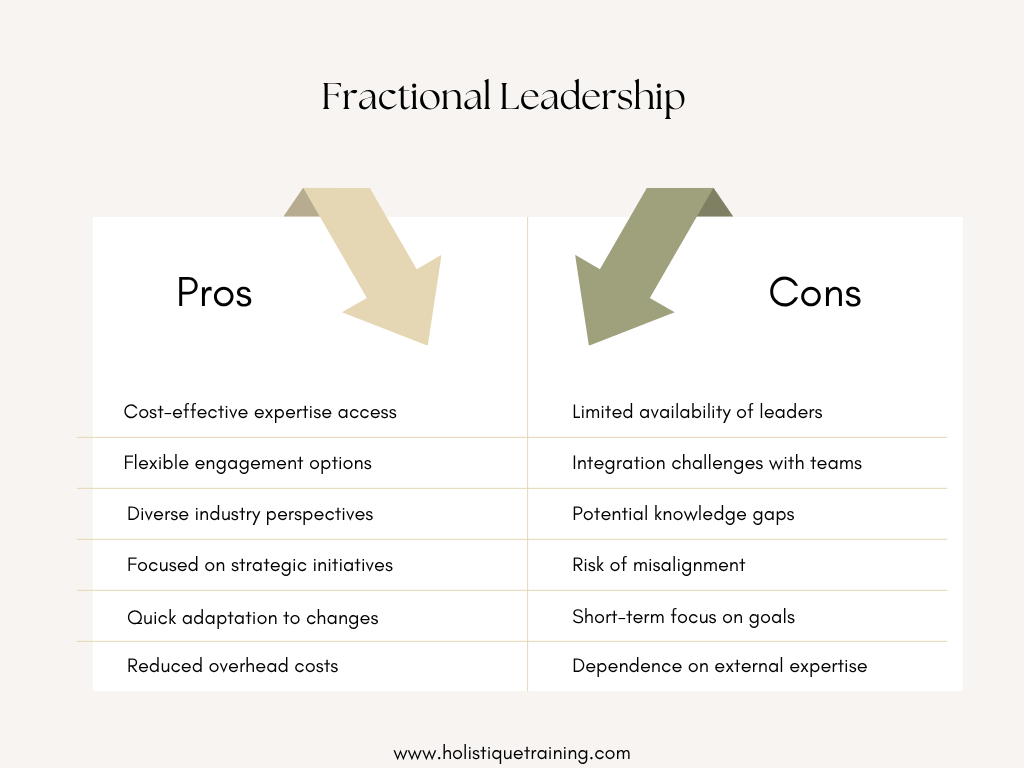
- Cons of Fractional Leadership
- Limited Availability
- Potential for Misalignment
- Knowledge Transfer Challenges
- Short-Term Focus
- Fractional vs. Full-Time Leadership: Key Differences
- Commitment Level
- Cost Structure
- Scope of Work
- Flexibility
- Conclusion
Introduction
The landscape of business management is evolving rapidly, driven by economic pressures, shifting labor trends, and the demand for agility in decision-making. As companies navigate these changes, a novel approach to leadership has emerged: fractional leadership. This concept is reshaping how organizations access top-tier talent, allowing them to benefit from the expertise of seasoned executives without the commitment of full-time hires. This blog post explores the essence of fractional leadership, its rise in popularity, the common roles it encompasses, its practical applications, advantages and disadvantages, and the critical differences between fractional and full-time leadership.
What is Fractional Leadership?
Fractional leadership refers to the practice of hiring experienced executives on a part-time or contract basis to fulfill specific leadership roles within an organization. Unlike traditional full-time executives, fractional leaders work with multiple companies simultaneously, offering their expertise and strategic insight without the overhead costs associated with full-time employment.
This model allows businesses, especially startups and small to medium-sized enterprises (SMEs), to tap into high-level talent that would otherwise be unaffordable. Fractional leaders typically bring a wealth of experience from various industries, enabling them to provide valuable perspectives and innovative solutions tailored to the unique challenges faced by each organization.
Why Did the Shift to Fractional Leadership Happen?
Several factors have contributed to the growing trend of fractional leadership. Economic pressures, labor market dynamics, and changing attitudes toward work are among the most significant drivers.
Economic Pressures
In recent years, the global economy has faced significant upheavals, from recessions to supply chain disruptions. Organizations are under constant pressure to optimize costs while maintaining competitiveness. Traditional models of leadership often come with high fixed costs, including substantial salaries, benefits, and overhead expenses. Additionally, layoffs, particularly in the tech sector, have left many experienced professionals seeking new opportunities between2022 and 2023. Fractional leadership presents a compelling alternative by allowing companies to engage seasoned executives on a part-time basis, thus reducing their financial burden. This model enables organizations to access top-tier talent without committing to the long-term costs associated with full-time hires. In a climate where every dollar counts, the ability to allocate resources more strategically has become paramount.
Labor Trends
The rise of the gig economy has fundamentally altered the labor landscape. Many professionals now prefer flexible work arrangements that allow them to pursue diverse projects and maintain a better work-life balance. This shift has led to an increase in the availability of highly skilled executives willing to work on a fractional basis. Companies are capitalizing on this trend by tapping into a pool of talent that offers not only expertise but also a fresh perspective. Fractional leaders often come with extensive experience from various sectors, allowing them to bring innovative solutions to the table. This trend reflects a broader cultural shift towards valuing flexibility and adaptability in the workplace.
Demand for Agility
In an era defined by rapid technological advancements and shifting consumer expectations, businesses must beagile to thrive. The traditional corporate structure, with its rigid hierarchies and slow decision-making processes, can hinder responsiveness. Fractional leaders can step in quickly, providing the necessary expertise to navigate challenges and seize opportunities. Their ability to adapt to different organizational cultures and dynamics allows them to implement changes swiftly and effectively. This agility is crucial for companies aiming to stay ahead of the curve in a competitive market.
Access to Specialized Skills
As industries evolve, the demand for specialized skills continues to grow. Companies often find themselves in need of specific expertise that may not be available internally. Fractional leadership allows organizations to fill these gaps without the long-term commitment of hiring a full-time executive. For instance, a startup may require a seasoned Chief Technology Officer (CTO) to guide its product development but may not need that level of expertise on a full-time basis. By engaging a fractional CTO, the company can benefit from high-level technical guidance while keeping its operational costs in check.
Focus on Strategic Initiatives
The increasing complexity of business operations necessitates a focus on strategic initiatives. Fractional leaders can provide the strategic oversight required to drive these initiatives forward. They can help organizations identify growth opportunities, streamline operations, and implement best practices, all while allowing existing teams to concentrate on their core responsibilities. This division of labor not only enhances productivity but also fosters a culture of innovation, as internal teams are freed up to explore new ideas and approaches.
Changing Attitudes Toward Work
Finally, the cultural shift regarding work itself plays a significant role in the rise of fractional leadership. A Deloitte study found that nearly70% of C-level executives considered quitting during COVID, highlighting the growing desire for meaningful work and greater autonomy. As more professionals seek fulfilling roles, organizations must adapt to attract and retain top talent. Fractional leadership offers a flexible work arrangement that appeals to executives looking for diverse opportunities while still making a significant impact. This shift in mindset encourages companies to rethink traditional employment models and consider alternative approaches that align with the evolving expectations of the workforce.
In summary, the shift to fractional leadership is driven by a combination of economic realities, labor market changes, the need for agility, and evolving attitudes toward work. This model not only addresses the immediate challenges faced by organizations but also positions them for long-term success in a rapidly changing business environment. By embracing fractional leadership, companies can leverage the expertise of seasoned professionals while maintaining the flexibility and adaptability required to thrive in today’s competitive landscape.

When it comes to an organisation, particularly a large organisation, many levels of management and leadership are established to ensure that every aspect of the business functions as efficiently as possible. The role of a supervisor is to ensure their team’s productivity
Most Common Fractional Roles
Fractional leadership encompasses various roles, each tailored to meet the specific needs of organizations. The most common fractional positions include:
Fractional Chief Financial Officer (CFO)
The role of a fractional CFO is pivotal for organizations seeking financial expertise without the commitment of a full-time hire. A fractional CFO typically handles a range of responsibilities, including financial planning, budgeting, forecasting, and compliance. They bring a wealth of experience in strategic financial management, allowing companies to make informed decisions based on accurate financial data.
Fractional CFOs are particularly valuable for startups and small businesses that may not have the resources for a full-time financial executive. They can help establish financial controls, implement reporting systems, and provide guidance on capital structure and fundraising strategies. By leveraging their expertise, organizations can improve their financial health and position themselves for sustainable growth.
Fractional Chief Marketing Officer (CMO)
In today’s digital age, effective marketing is essential for business success. A fractional CMO offers strategic marketing leadership to organizations looking to enhance their brand presence and drive customer engagement. This role encompasses a wide array of responsibilities, including developing marketing strategies, overseeing branding initiatives, managing digital marketing efforts, and analyzing market trends.
Fractional CMOs bring a fresh perspective and innovative ideas to the marketing function, often drawing on their experience across various industries. They can help businesses refine their target audience, optimize marketing campaigns, and measure performance through data analytics. This expertise is especially beneficial for companies in competitive markets where differentiation is key to attracting and retaining customers.
Fractional Chief Operating Officer (COO)
The fractional COO plays a crucial role in optimizing operational efficiency and driving organizational performance. This position involves analyzing existing processes, identifying areas for improvement, and implementing best practices to enhance productivity. Fractional COOs often work closely with leadership teams to align operational strategies with overall business goals.
Organizations facing rapid growth or undergoing significant change can particularly benefit from a fractional COO’s expertise. They can help streamline operations, improve supply chain management, and enhance customer service processes. By focusing on operational excellence, fractional COOs enable companies to scale effectively while maintaining high-quality standards.
Fractional Chief Technology Officer (CTO)
As technology becomes increasingly integral to business success, the role of a fractional CTO has gained prominence. Fractional CTOs provide strategic guidance on technology initiatives, helping organizations leverage digital tools and innovations to achieve their objectives. Their responsibilities include overseeing IT infrastructure, managing software development projects, and ensuring that technology investments align with the company’s vision.
For startups and smaller businesses that may not require a full-time CTO, fractional technology leadership offers a cost-effective solution. These executives can help organizations navigate complex technology landscapes, implement cybersecurity measures, and adopt emerging technologies that drive efficiency and innovation. By engaging a fractional CTO, companies can stay ahead of technological advancements and maintain a competitive edge.
Fractional Chief Human Resources Officer (CHRO)
Human resources play a critical role in shaping organizational culture and employee engagement. A fractional CHRO provides strategic HR leadership, focusing on talent acquisition, employee development, and organizational design. This role is particularly valuable for companies experiencing growth or undergoing transformation, as fractional CHROs can help establish effective HR practices and policies that support business objectives.
Fractional CHROs bring expertise in areas such as performance management, employee relations, and compliance with labor laws. They can assist organizations in developing talent management strategies, enhancing employee engagement, and fostering a positive workplace culture. By leveraging their HR expertise, businesses can attract and retain top talent, driving long-term success.
Fractional Chief Sales Officer (CSO)
The fractional Chief Sales Officer is essential for organizations looking to boost their sales performance and develop effective sales strategies. This role involves overseeing the sales team, setting sales targets, and implementing processes that drive revenue growth. Fractional CSOs can provide valuable insights into market trends, customer behavior, and competitive positioning.
For companies that may not have a dedicated sales executive, a fractional CSO can help establish a robust sales framework, train sales personnel, and develop go-to-market strategies. Their experience in various industries allows them to identify best practices and innovative approaches to sales, ultimately enhancing the organization’s bottom line.
Fractional Chief Data Officer (CDO)
As data becomes a critical asset for decision-making, the role of a fractional Chief Data Officer has emerged. Fractional CDOs help organizations develop data strategies that align with business goals, ensuring that data is effectively collected, analyzed, and utilized to drive insights. This role involves overseeing data governance, data quality, and analytics initiatives.
Organizations seeking to harness the power of data can benefit significantly from engaging a fractional CDO. These executives can help establish data-driven cultures, implement analytics tools, and ensure compliance with data privacy regulations. By leveraging data strategically, companies can enhance their decision-making processes and gain a competitive advantage.
In summary, the rise of fractional leadership has given organizations access to a diverse array of expertise tailored to their specific needs. From financial management to marketing strategy, fractional executives fill critical roles that drive growth and innovation. By understanding the most common fractional roles, businesses can strategically leverage this model to enhance their operations, optimize resources, and position themselves for success in an increasingly competitive landscape. The flexibility and specialization offered by fractional leaders make them invaluable assets for organizations navigating today’s complex business environment.

Business leadership is an intricate and demanding endeavour. While many professionals spend years striving to ascend the ranks, only a few achieve top leadership positions. Effective leaders can align their personal and business goals with the overarching organisational culture and inspire a shared vision among
How Fractional Leadership Works in Practice
Implementing fractional leadership requires a strategic approach to ensure alignment with organizational goals. Here’s how it typically works in practice:
1- Assessment of Needs
The first step in leveraging fractional leadership is a thorough assessment of the organization’s needs. This involves identifying specific leadership gaps and determining which areas would benefit most from external expertise. Organizations should conduct a comprehensive analysis of their current operations, strategic objectives, and challenges they face.
Key considerations during this assessment include:
- Identifying Skill Gaps: Understanding where the organization lacks expertise is crucial. This could involve evaluating existing leadership capabilities and recognizing areas where specialized skills are needed, such as finance, marketing, operations, or technology.
- Defining Goals: Clearly articulating the goals and expectations for the fractional leader is essential. Whether the objective is to drive growth, improve operational efficiency, or enhance marketing strategies, having defined goals will guide the selection process and ensure alignment.
- Evaluating Current Resources: Organizations should assess their current resources and capabilities to determine how a fractional leader can complement existing teams. This evaluation helps in identifying the level of support required and the potential impact of engaging a fractional executive.
2- Recruitment and Selection
Once the needs assessment is complete, the next step is to recruit and select the right fractional leader. This process can vary depending on the organization’s specific requirements but typically involves several key actions:
- Leveraging Networks and Platforms: Organizations can tap into professional networks, industry associations, and specialized platforms that connect businesses with fractional executives. These resources can help identify candidates with the right expertise and experience.
- Conducting Interviews: Engaging in a thorough interview process is vital to ensure that the fractional leader aligns with the organization’s culture and values. During interviews, organizations should assess not only technical skills but also soft skills such as communication, collaboration, and adaptability.
- Checking References: Verifying the candidate’s past performance through references can provide valuable insights into their work ethic, effectiveness, and ability to integrate into teams. This step helps ensure that the selected fractional leader has a proven track record of success.
3- Integration into the Organization
Successful integration of fractional leaders into the organization is crucial for maximizing their impact. This phase involves several important actions:
- Establishing Clear Roles and Responsibilities: Defining the scope of work and expectations for the fractional leader is essential. Organizations should outline specific responsibilities, deliverables, and reporting structures to ensure clarity and accountability.
- Facilitating Communication: Open and transparent communication is key to fostering collaboration between fractional leaders and existing teams. Organizations should establish regular check-ins and feedback loops to facilitate ongoing dialogue and address any challenges that may arise.
- Aligning with Organizational Culture: To ensure a smooth integration, fractional leaders should be oriented to the company’s culture, values, and operational practices. This alignment helps them understand the dynamics of the organization and build rapport with team members.
4- Performance Measurement
To ensure that fractional leadership is delivering the desired results, organizations should establish key performance indicators (KPIs) and metrics to evaluate the effectiveness of the fractional leader’s contributions. This phase involves:
- Setting Clear KPIs: Organizations should define specific, measurable objectives that align with the goals set during the needs assessment. These KPIs could include metrics related to financial performance, operational efficiency, customer satisfaction, or marketing effectiveness.
- Regular Review and Feedback: Conducting regular performance reviews allows organizations to assess the fractional leader’s contributions and make necessary adjustments. Continuous feedback helps identify areas for improvement and ensures that the fractional leader remains aligned with organizational goals.
- Celebrating Successes: Recognizing and celebrating achievements, both big and small, fosters a positive working relationship between fractional leaders and internal teams. Acknowledging successes helps build morale and encourages collaboration.
5- Flexibility and Adaptability
One of the key advantages of fractional leadership is the inherent flexibility it offers. Organizations should embrace this flexibility by being open to adjusting the fractional leader’s role as business needs evolve. This adaptability can include:
- Scaling Engagement: As organizational needs change, the level of engagement with the fractional leader can be adjusted. For example, if a company experiences rapid growth, it may require more time from the fractional executive to meet increased demands.
- Evolving Responsibilities: The responsibilities of fractional leaders should be revisited periodically to ensure they align with current business objectives. This may involve expanding their role to encompass new initiatives or projects as the organization grows.
- Feedback Loop: Maintaining an open feedback loop allows both the fractional leader and the organization to discuss any changes in priorities or challenges that arise. This ongoing dialogue is essential for ensuring that the fractional leadership arrangement remains effective and beneficial.
6- Building Long-Term Relationships
While fractional leadership often involves short-term engagements, organizations should strive to build long-term relationships with fractional executives. This can lead to greater continuity and a deeper understanding of the organization’s needs over time. Strategies for fostering long-term relationships include:
- Encouraging Collaboration: Promoting collaboration between fractional leaders and internal teams can enhance the effectiveness of the engagement. Encouraging joint projects and initiatives helps build trust and rapport.
- Providing Opportunities for Growth: Offering fractional leaders opportunities for professional development and growth within the organization can strengthen the relationship. This could involve involving them in strategic planning sessions or inviting them to participate in key decision-making processes.
- Maintaining Open Communication: Regular communication is key to sustaining a positive relationship. Organizations should keep fractional leaders informed about changes, challenges, and successes, fostering a sense of belonging and investment in the organization’s success.

All organisations require strong leadership to be able to thrive in their respective industries. However, the style of leadership changes greatly from business to business. While some particular industries benefit more than others from certain leadership styles, the empathetic leadership style can be universally applied
In short, fractional leadership represents a dynamic and effective approach to filling critical leadership gaps within organizations. By following a structured process that includes assessing needs, recruiting the right talent, integrating fractional leaders into the organization, measuring performance, embracing flexibility, and building long-term relationships, companies can maximize the benefits of this model. As businesses continue to navigate an increasingly complex landscape, fractional leadership offers a strategic solution for accessing high-level expertise while maintaining agility and cost-effectiveness. Embracing this innovative approach can empower organizations to thrive and adapt in a rapidly changing environment.
Table: Metrics to measure the effectiveness of fractional leadership
Metric | Description |
Project Completion Rate | Measures the percentage of projects completed on time and within budget. |
Return on Investment (ROI) | Evaluates the financial return generated from the engagement of fractional leaders compared to their costs. |
Employee Engagement Scores | Assesses changes in team morale and engagement levels before and after fractional leadership involvement. |
Achievement of Strategic Goals | Tracks the progress towards strategic objectives set during the fractional leader's engagement. |
Client Satisfaction Ratings | Gauges client feedback and satisfaction levels related to projects managed by fractional leaders. |
Benefits of Fractional Leadership
According to Fractionus, a whopping 78.4% of fractional professionals are optimistic about the future of fractional work. This lies in its numerous benefits, which make it an attractive option for many organizations:
Cost-Effectiveness
One of the most significant advantages of fractional leadership is cost savings. Companies can access high-level expertise without incurring the full costs of a permanent executive, including salaries, benefits, and other overhead expenses. This is particularly beneficial for startups and SMEs that may operate on tight budgets.
Flexibility and Scalability
Fractional leadership offers flexibility, allowing organizations to scale their leadership resources up or down based on changing needs. This adaptability is crucial in a dynamic business environment, where priorities can shift rapidly.
Access to Expertise
Organizations can tap into a diverse pool of experienced professionals with specialized skills and knowledge. Fractional leaders often bring a wealth of experience from various industries, providing valuable insights and innovative solutions that can drive growth and improve performance.
Focus on Strategic Initiatives
By engaging fractional leaders, organizations can free up internal resources to focus on core business functions. Fractional executives can take on strategic initiatives, allowing existing teams to concentrate on their primary responsibilities.
Fresh Perspectives
Fractional leaders can provide an outsider’s perspective, helping organizations identify blind spots and uncover new opportunities. Their experience across different industries allows them to bring fresh ideas and approaches that can enhance organizational performance.
Cons of Fractional Leadership
While fractional leadership offers many advantages, it also comes with certain drawbacks that organizations should consider:
Limited Availability
Fractional leaders often work with multiple clients simultaneously, which can limit their availability. This may pose challenges for organizations that require immediate attention or ongoing support.
Potential for Misalignment
There is a risk that fractional leaders may not fully align with the organization’s culture or values. Ensuring a good fit is crucial for successful collaboration, as misalignment can hinder effectiveness and impact team dynamics.
Knowledge Transfer Challenges
As fractional leaders are not permanent fixtures within the organization, there may be challenges related to knowledge transfer. Ensuring that critical information and insights are documented and shared can help mitigate this risk.
Short-Term Focus
Fractional leaders may prioritize short-term goals and immediate results, which could lead to a lack of focus on long-term strategic planning. Organizations must ensure that fractional leaders are aligned with their overarching vision and objectives.
Fractional vs. Full-Time Leadership: Key Differences
Understanding the key differences between fractional and full-time leadership is essential for organizations considering their options:
Commitment Level
Full-time leaders are dedicated to a single organization, providing consistent oversight and strategic direction. In contrast, fractional leaders divide their time among multiple clients, which may impact their availability and level of engagement.
Cost Structure
Full-time leadership typically involves higher costs due to salaries, benefits, and other overhead expenses. Fractional leadership offers a more cost-effective solution, allowing organizations to access top-tier talent without the financial burden of a full-time hire.
Aspect | Fractional Leadership | Full-Time Leadership |
Commitment | Part-time or project-based engagement; flexible hours | Full-time commitment with fixed hours and responsibilities |
Cost | Generally lower costs; paid on a contract or retainer basis | Higher costs due to salary, benefits, and overhead expenses |
Expertise | Access to specialized skills and diverse experiences | In-depth knowledge of the organization and its culture |
Flexibility | Highly flexible; can scale engagement based on needs | Less flexible; role and responsibilities are typically fixed |
Integration | May face integration challenges; requires cultural alignment | Deeply integrated into the organization; strong team dynamics |
Focus | Often focused on specific projects or short-term goals | Focused on long-term strategy and overall organizational health |
Decision-Making | May involve slower decision-making due to divided attention | Faster decision-making due to dedicated focus and presence |
Scope of Work
Full-time leaders often have broader responsibilities and a deeper understanding of the organization’s culture and operations. Fractional leaders, while experienced, may focus on specific projects or initiatives, requiring effective communication and collaboration to ensure alignment with organizational goals.
Flexibility
Fractional leadership provides greater flexibility, allowing organizations to scale their leadership resources based on changing needs. Full-time leaders may be less adaptable, as they are committed to long-term strategic planning and execution.

As a leader, understanding and utilising emotional intelligence and mastering effective communication styles are essential skills to get the most out of your team. It’s important that your direct reports find you approachable and relatable, meaning they feel confident raising issues and suggesting ideas to
Conclusion
Fractional leadership represents a transformative approach to management that aligns with the evolving needs of modern organizations. By leveraging the expertise of seasoned executives on a part-time basis, companies can navigate economic pressures, embrace agility, and access high-level talent without the financial burden of full-time hires. While there are challenges associated with this model, the benefits it offers—cost-effectiveness, flexibility, and access to expertise—make it an appealing option for many businesses. As the landscape of work continues to change, fractional leadership is likely to play an increasingly prominent role in shaping the future of organizational management. Embracing this innovative approach can empower companies to thrive in a competitive environment, driving growth and success in the years to come.